
How to Find the Best Sliding Glass Doors
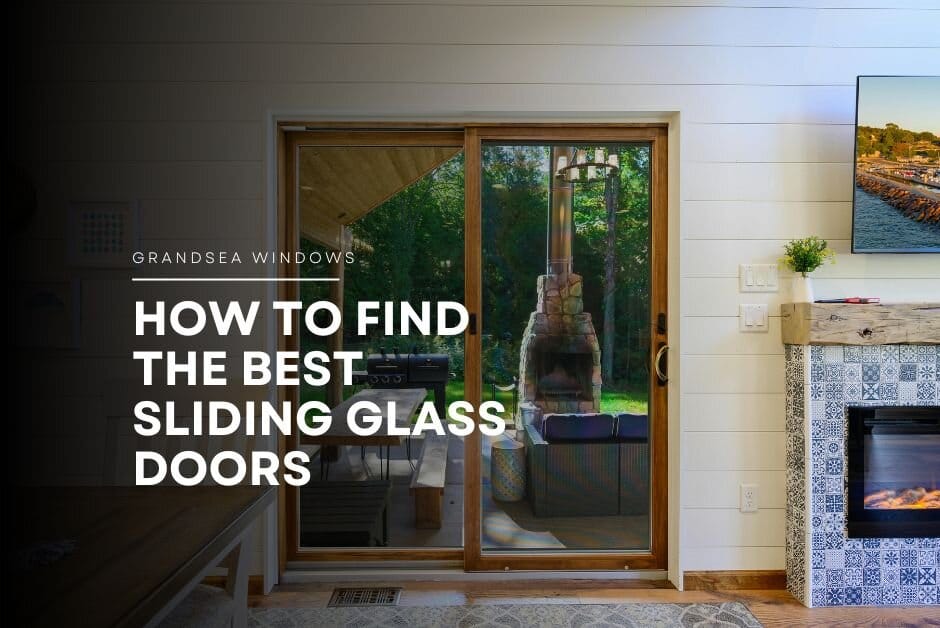
Sliding glass doors can change how your home looks. The best sliding glass doors are strong, save energy, and look great. Aluminum and fiberglass are tough and easy to care for, while wood gives a classic and beautiful look. Picking the right door makes your space both useful and stylish. Grandsea offers the best sliding glass doors with great choices made just for you, ensuring you get the perfect door. Key Features of the Best Sliding Glass Doors Durability and Longevity Strong sliding glass doors last a long time. They should handle daily use and bad weather. Fiberglass and aluminum are great materials. Fiberglass is tough, needs little care, and handles weather well. Aluminum is light but strong. Wood looks classic but needs regular upkeep to stay nice. Vinyl is affordable and easy to maintain. Aluminum clad wood doors mix wood’s beauty with a strong outer layer, needing less care. Energy Efficiency and Insulation Energy-saving sliding doors lower heating and cooling costs. Dual-pane glass traps air to stop heat loss. Vinyl and fiberglass frames keep your home cozy all year. Low-E glass reflects heat but lets in sunlight, saving energy. Good weatherstripping blocks drafts and keeps temperatures steady inside. Customization for Style and Functionality Sliding doors should fit your home’s look and needs. Pick from different frame colors, finishes, and glass types like frosted or tinted. You can also choose knobs and locks to match your style. Want smart features? Automated systems and secure locks add ease and safety. Custom patio doors can connect indoor and outdoor spaces, great for relaxing or hosting guests. Warranties and After-Sales Support A good warranty protects your purchase. Many brands cover material or workmanship problems. Check what the warranty includes and how long it lasts. Good customer service is also important. It helps with repairs or maintenance when needed. Picking a brand with great support makes owning sliding doors easier. Choosing the Best Sliding Glass Doors for Your Needs Budget Considerations Your budget is important when picking sliding glass doors. Costs depend on the material. Here’s a simple guide: Material Average Cost Range Aluminum $550 to $1,700 Aluminum clad wood $600 to $1,200 Fiberglass $1,150 to $2,300 UPVC $300 to $1,300 Wood $800 to $2,400 Think about cost, strength, and energy savings. uPVC is cheap and easy to care for. Fiberglass costs more but keeps heat in better. Matching Style with Home Design Sliding doors should match your home’s style. Big glass panels with thin frames suit modern homes. Wood frames with grilles look great in classic homes. Single-sliding doors fit small spaces. Double-sliding doors are better for wide openings. The right style makes your home look complete. Energy Efficiency Requirements Energy-saving doors help lower heating and cooling bills. Look for Low-E glass that keeps heat out but lets light in. ENERGY STARⓇ and NFRC labels show good insulation. Dual-pane or triple-pane glass and fiberglass frames save more energy.
Sliding Doors or French Doors – Which One Should You Choose?
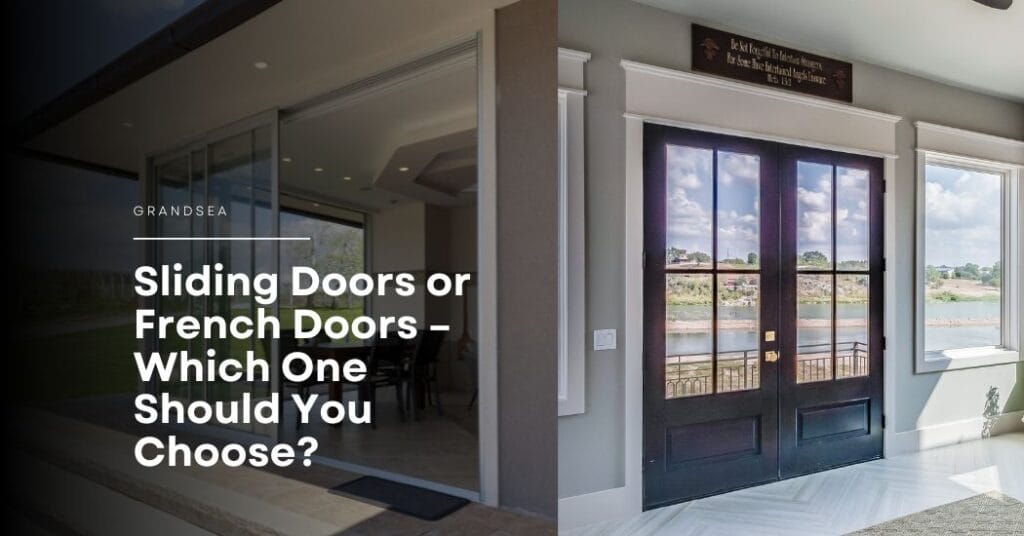
A growing design trend in modern homes is to enhance living comfort by adding balcony and garden spaces to houses or apartments. Naturally, this also gives balcony and terrace doors several important functions. The current market offers various door and window solutions that allow balcony doors to best meet users’ needs. Among these, sliding doors and French doors are the most popular. What are the benefits of each type of balcony door? Which type of terrace door is more suitable for which rooms? We recommend choosing the most appropriate outdoor door for your balcony and terrace based on your family’s lifestyle. The Most Important Functions of Patio and Balcony Doors Patio and balcony doors provide easier access to the home’s interiors while also making it more aesthetically pleasing outdoors. They are versatile and unique as they combine a modern touch with classical design. In modern architecture, glass is integrated into the design extensively to ensure a modern feel at the same time , patio door serving the function of making small spaces look big. It is no shock that this illusion attracts both homeowners and architects. Aside from aesthetics, these doors define spatial boundaries in a more dynamic manner. By simply opening or closing them, you control how connected or private your indoor and outdoor zones are. Whether you are at home having a backyard barbeque or want to escape to the near quiet, these doors let everything give in to your instinct. Emphasis is placed on tilt-and-turn or jalousie style frames which also act as ventilators. They help control air circulation with great accuracy and provide comfort within the year’s seasons. To sum everything up, patio and balcony doors serve as more than entry ways; they enhance daily design and living. Advantages of Sliding Balcony Doors Choosing sliding balcony doors certainly provides extra space. This is because when this door opens, the panel does not require additional space. With this solution, the door panel moves only along a special track on one plane. This opening mechanism makes sliding balcony doors suitable for users looking to maximize their potential in smaller indoor spaces. Grandsea offers threshold-less balcony doors, which may seem like a minor convenience but are incredibly useful in daily use. You no longer need to worry about children tripping while playing, and moving bulky items in and out becomes much easier. The design of modern sliding windows incorporates advanced soft-close systems to ensure quiet and gentle operation. These systems enhance user experience and provide additional convenience by preventing violent impacts and the resulting risk of poor sealing. The silent operation of these systems also protects user safety and extends the service life of the installation. The addition of soft-close systems makes modern sliding windows safer and gentler to use, while also extending the service life of their tracks and wheels. Bi-fold sliding doors are more mobile and flexible than other types of doors, and they can be opened up to a width of more than 10 meters. When the bi-fold door combination is fully opened, you can get unobstructed views, natural light, and fresh air. Tilt-and-turn doors are popular for their practicality; a system can be fully opened by sliding or opened inward for micro-ventilation. These modern door and window combinations provide ventilation during heavy rains without letting rainwater penetrate the interior, bringing comfort to the home or office without leaking. Benefits of Installing French Doors Traditional French double doors also offer many advantages. Their popularity still far exceeds that of sliding glass doors because they allow for several solutions that significantly impact room characteristics. French Doors have long been prized for their elegant appearance and aesthetic charm, creating grand and romantic scenes when closed. Due to this ageless design feature, French doors have become popular architectural choice in entrances, stairs or any place where eye-catching style and presence is important. French doors tend to be less costly than sliding patio doors which offer greater visual splendor; this financial advantage makes French doors especially useful when renovating existing houses or when building attractive and stylish balcony or deck doors. Final Thoughts Modern real estate companies have a variety of sliding terrace and French terrace doors, both of which act as excellent security features and protect homes from water. It all depends on the proper functioning of the systems, as well as the attitude family members and homeowners have towards the whole thing. Speaking about the first part of the article the window doors that are most definitely an architectural symbol design plays here an important role in achieving the visual effects that we want. If you find yourself torn between sliding doors and traditional French terrace doors, or if you have questions about their costs and expenses, feel free to contact us anytime. Grandsea has years of experience in door and window manufacturing, providing high-quality products that meet your expectations while adapting to your local climate and current architectural design trends!
standard door width

Interior doors can have different dimensions, starting from small wide doors to double- or triple-panelled wide doors. This complete guide will help you check the opening sizes before you install the door. This will help ensure the frame and door fit well in the doorway. In a nutshell, the key points are the following: Standard door widths come in various sizes for both interior and exterior use. Other key dimensions to think about are door opening, door panel size, and frame size. When measuring, remember that the door frame and door panel depend on each other. Advantages of Overall Measurement Cost and cost-effectiveness speak in favour of fitting door openings (including frames) for standard sizes for interior doors. One great advantage of that is to allow simple replacement during renovation or redesign of living space. This can definitely be problematic with non-standard doors since must be ordered precisely for installation. The cost plays an important factor here also. The manufacturing process benefits from standard door sizes, as it enables optimized and standardized production, reducing costs and material waste. The way interior doors open, either right-hand or left-hand, impacts costs from manufacturers. What is the Standard Width for Doors? Most doors in residential settings follow standard door sizes and dimensions, with the average door size typically being 36 inches wide and 80 inches tall. Standard door sizes and standard door dimensions are designed to ensure a proper fit, compatibility with existing frames and rough openings, and compliance with local building codes. Understanding standard door sizes and taking accurate door measurements is crucial for selecting the right door size, whether you are replacing an existing door or installing a new door. Door sizes can vary depending on the type of door, room, and function, so it’s important to measure the width and height at the widest point of the rough opening and consider the door jamb and existing frame for a proper fit. Interior Doors Passage Doors: The standard width for an interior passage door is 32 inches, but most interior doors are 80 inches tall, which is the standard door height for most interior doors. The minimum width for a passage door is required for all doors, and local building codes may specify a minimum clear width for accessibility, especially in commercial or public buildings. Bathroom doors and closet doors may have different standard sizes, and door sizes can vary depending on the room and function. Standard thickness for interior doors is typically 1 3/8 inches, which helps ensure better insulation and energy efficiency. Most interior doors are designed to fit standard size openings, but custom doors may be required for non-standard or unique layouts. Wider Interior Doors: 36-inch-wide doors are compliant with the Americans with Disabilities Act (ADA) and are considered wider doors. They improve traffic flow and accessibility, making them popular choices for homes whose residents have mobility issues, or for homeowners who are planning to age in place. Wider doors are often chosen for a grand entrance or to accommodate larger items, and feature doors such as double doors can further enhance both aesthetics and traffic flow. Exterior Doors Exterior doors , especially front doors, are usually 36 inches wide and 80 inches tall, making them typically larger than most interior doors. Front doors serve as feature doors and are often designed to enhance curb appeal, energy efficiency, and security. They may include glass panels to allow natural light into the entryway. Larger, roomier homes or custom-built houses may have doors that measure as much as 42 inches across or more. Double doors are a popular choice for creating a grand entrance in both residential and commercial buildings. When door shopping for exterior doors, consider the right door size, color scheme, and style to match your home’s architecture and coordinate with other windows and doors for a cohesive look. Sliding Doors The width of the sliding glass doors is variable. The standard door dimensions for a sliding glass door are typically 72 inches wide and 80 inches tall to fit two glass panels (one fixed and one sliding). They can also come in a 60-inch width for narrower sliding glass doors or reach 96 inches or greater to fill large openings. Sliding glass doors are often chosen for their ability to bring in natural light, improve energy efficiency, and provide better insulation when made with the right materials. French Doors The width of each door in French door pairs ranges between 30 and 72 inches. French doors can be customized to fit larger or smaller openings, and proper fit is essential for both aesthetics and functionality. Feature doors such as double doors or wider doors can create a grand entrance and improve both aesthetics and traffic flow, while smaller doors may be suitable for cozy spaces or specific design styles, provided the minimum clear width is maintained for accessibility. There are many types of doors available, including passage doors, bathroom doors, closet doors, sliding glass doors, French doors, double doors, and feature doors. Each type comes in standard sizes and materials, and their use cases vary depending on the needs of the space, desired energy efficiency, natural light, and overall design. Choosing the right door size, color scheme, and style will help create a cohesive look and enhance the functionality and appeal of your home’s windows and doors. How to Measure for a Properly Fitting Interior Door It is essential to take accurate door measurements—including width, height, and thickness—before installing the door frame. Usually, the door frame and door panel are ordered simultaneously. As long as the frame is installed properly, the door panel will generally turn out well. If there is already an existing frame, you only need to order the door panel replacement. You will need to measure the existing door. When measuring, be sure to measure the width at multiple points, especially at the widest point, to ensure a proper fit. It is very important to keep an eye on the overlap dimensions and thickness
Main types of interior doors
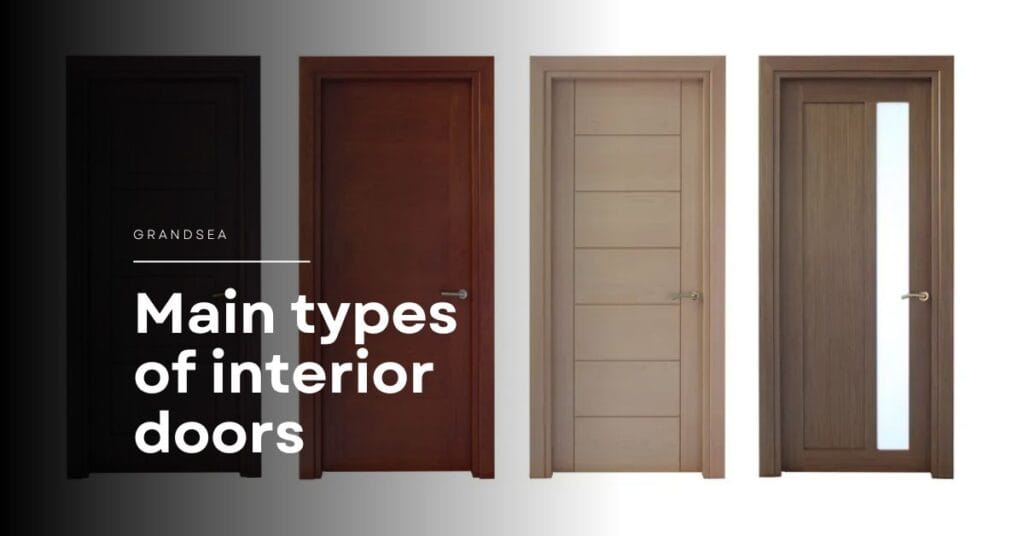
The right interior doors can help keep your house warm in the winter and cool in the summer, block out unwanted noise, resist impacts, and even help protect against fire. it also play a big role in shaping the look and feel of your interior spaces.So, if you’re planning to build a new home or thinking about giving your current place a makeover, it’s smart to start exploring your interior door options early in the process. Knowing what’s out there will make it much easier to choose doors that are not only practical but also stylish and perfectly suited to your needs.That way, you’ll be well-equipped to pick the ideal interior doors that match your style, budget, and lifestyle. Different types of doors differ in not only their looks, materials, shapes, and sizes but also in the type of mechanism to open them. A Variety of Interior Doors Many models can be choose as ideal interior doors. Most often they are hinges doors, sliding doors or bi-fold doors. Interior doors can be made of many materials, such as wood, glass, WPC etc. Besides standard models, there are also soundproof doors, smoke doors, fire resistant, or impact doors. Materials, colors of interior doors as well as their size, appearance and shape determine to a great extent the appearance of the room. Room doors are no different from exterior entrance doors. In buildings, practical single-panel room doors are usually installed, but there are other types of interior doors. Do you want a representative room appearance? Choose French doors with two panels or a large sliding door with glass elements. Sliding doors can also have other functions, they can be room dividers, such as pocket doors or barn doors. Framed panels, glass inserts and integrated LED lights are the decorative elements of interior doors. Of course, if you want an invisible design unified with walls, hidden doors will meet your expectations. How to Differentiate Door Types? Door types are categorized based on different criteria, primarily divided into exterior and interior doors. More differentiated options become apparent: Applicable Locations Materials Functions The materials used to manufacture a door significantly affect its appearance. Door types are also classified based on their materials:Wooden Doors Glass Doors WPC Composite Doors Metal Doors (e.g., wrought iron glass doors, forged iron doors) Elegant Pivot Doors Pivot doors are connected to the upper wall and floor by vertical hinges and rotate around a “pivot.” You open these doors by gripping the handle; they swing around the hinge point. Due to this design, such doors are also known as rotating doors. Locks and handles are usually installed on the side opposite the hinges, allowing you to open pivot doors both inward and outward. You can customize pivot doors in various configurations and sizes from door manufacturers based on your room layout and family movement patterns or overall interior decor style. If possible, purchasing doors from China can yield great value. By the way: Pivot front doors are perfect for wide entrances; they are sturdy enough to withstand weather conditions while sealing the entrance against drafts and odors. Their elegant, unique style is ideal for creating a distinctive entrance or as a pivot shower door. Space-Saving Sliding Doors If your space is limited or you need an elegant solution for wide wall openings, Grandsea strongly recommends using sliding doors. Sliding doors can be made of wood or glass and come with one or two movable panels; fixed components can also be an option. Sliding doors do not always seal rooms tightly because there may still be gaps between the walls or frames and the panels or door leaves. However, they are practical enough to effectively block kitchen smoke or dust. Sliding doors can also serve as room dividers like barn doors. In our guide, we showcase the different features and detailed configurations of sliding doors. Sliding doors connect interior spaces in a space-saving manner. Some sliding door designs feature rollers at the top and tracks at the bottom; this is a common design for patio sliding doors—Grandsea continually enhances manufacturing techniques to achieve flush sliding door designs that minimize tripping hazards when family members enter and exit. Some complex sliding door models only require top-mounted sliding hardware; this is what barn doors utilize. The top roller track can even be mounted on walls, ceilings, or lintels, meaning that when using sliding doors, they can visibly move in front of walls or disappear into wall pockets. We excel at designing and manufacturing sliding pocket door systems that operate within wall cavities. We recommend contacting us before purchasing; we will patiently provide professional buying advice and product services! French Doors: Practical Structure Creating Chic Atmosphere French doors open from both sides. The panels swing around special hinged mechanisms known as hinged doors. Compared to sliding doors, they take up more space when opened but can sometimes be more comfortable—especially in frequently used passages. For instance, it’s challenging to open an elegant sliding door when carrying filled shopping bags or laundry baskets; dirty hands may leave fingerprints on handles while heading to the restroom. White French doors have become particularly popular among young people. Imagine opening white French doors to reveal a sunlit European garden filled with greenery—how romantic! In smart double front doors, adjustable hardware allows you to control how much pressure is needed to open the panels. This feature is especially useful for families with small children or elderly members who may lack strength in their hands. If needed, a 90-degree locking function keeps the front door open. If you prefer chic designs, choose elegant door hinges. Multifunctional Doors If a door needs to provide effective smoke protection, fire resistance, or climate control, consider multifunctional doors. These types of doors are common in public facilities or objects but are also used in private new or old buildings. Such special-purpose doors are manufactured according to safety regulations that manufacturers must adhere strictly to produce various functional door types that meet specified characteristics such
A Guide to Modern Window Trends

Modern windows offer more than just a clear view, they also insulate against heat and cold, and protect against noise and theft. As experts in window and door manufacturing, we will introduce you to the trends in modern windows, from beautiful looks to new technologies to popular window colors. We will also list a variety of multifunctional modern window design ideas that include view and lighting functions, and you can read tips and useful information about windows here. What are modern windows Higher living comfort, greater security and energy-saving insulation through insulating glass to save on winter heating bills: these are the most important criteria that modern windows should meet. To achieve this goal, good window and door manufacturers rely on new technologies and high-quality materials, and you can also customize the windows according to your needs. Of course, this will incur additional purchase costs, but it will be a worthwhile investment in the long run. For example:Alarm system;Electronic-supported opening and closing mechanism for lifting and sliding structures;Smart-tinting glass Advantages of using modern windows Modern windows bring energy-saving living People want to live sustainably and save energy. Modern windows can have a significant impact on the energy efficiency of your home. The U-values of old single-glazing units have little in common with today’s windows. Modern house windows consist of double to triple glazing units with U-values of around 0.9-0.5 W/m2K and therefore play an important role in thermal insulation. The latest generation of windows is even equipped with innovative premium glass coatings that transmit up to 10% of the daylight without transferring heat and therefore represent a natural energy source. While previously only plastic or wooden windows were available, today a combination of premium materials also helps to achieve perfect thermal insulation. For example, a composite material of wood, thermal foam and aluminium is used in aluminium-clad wood windows, while the window frames also feature multiple hollow chambers to significantly increase the thermal insulation and prevent overheating. In addition to thermal insulation, modern windows should also ensure a perfect ratio of air, heat and humidity in the room. In the past, fresh air could only enter the room if the window was opened. This allowed valuable heat to escape from the comfort of the home, especially in winter. This is a thing of the past: the classic ventilation systems are supplemented by new modern contemporary windows and their efficient ventilation systems. The premium ventilation systems can be individually regulated or opened automatically in automatic mode. This means that your home can easily get fresh air without losing heat or being bothered by street noise. Modern windows for safe living Studies show that the majority of burglaries are committed through windows or French doors, which makes it even more important that windows and doors protect your home. With innovative door locking systems, you can be sure that your windows offer reliable protection. With specially designed integrated flaps, the sash locks precisely to the frame, making it almost impossible to pry it out of the window. But not only should thieves not find any opportunities to break in, but unpleasant noises should also be kept out. The seamless connection of glass and window frame allows for maximum stability and security and promotes thermal and acoustic insulation. Nor should you overlook window glass, as it can represent a weak point in security. Today, windows can be equipped with single-layer safety glass or laminated safety glass to prevent window shattering. You can read more details about this in our impact-resistant windows. Improved quality of life and living space The days when we associated windows with small daylight openings in the wall are over. Today, we crave bright, light-filled, open spaces and a sense of limitless living. You can’t even imagine living in a modern window building without slender window frames and large glass. Often, the entire living wall is replaced by an oversized window front in order to fill our room with natural light. However, floor-to-ceiling windows not only fit in with the modern living era and visually enhance the appearance of the house, but also provide an easy and barrier-free transition from indoors to outdoors. Modern window systems have developed into intelligent, high-tech products whose comprehensive features can significantly improve our quality of life and living. Thanks to various door and window production process innovations, Grandsea, as a premium door and window manufacturer, can even customize windows to perfectly meet your personalized requirements. How are modern windows built? Modern windows consist of many components. If you decide to buy new windows, the choice of profile material is the first question that arises. You can choose among different window materials Plastic and uPVC, Wood, Aluminum, Aluminum-clad wood profiles Aluminum windows and aluminum-clad wood windows are especially considered modern window profiles. Aluminum-clad wood, in particular, provides you with more than just views and daylight. The wooden appearance looks warm and cozy, while the gray tones of aluminum windows look cool and modern. Modern window color trends The window color here refers to the color of the window frame. Of course, the window should match the overall impression of the house in appearance. There are two popular color schemes for modern window frames – natural wood look and other colors. Natural wood look Wooden look windows with a unique, beautifully textured surface are still the first choice for the personalized expression of modern windows, especially oak, which has natural nuances that better reflect the taste and artistic pursuit of the window owner. Other color trends Although there are many color and design variants, most colored window surfaces are anthracite and other different gray variants.If classic white, black and gray are excluded, creamy white, green, gray and blue tones are popular – depending on the material of the window frame.Plastic windows are often foiled, while aluminum windows can be refined with a separate powder coating and wooden windows can be refined with varnish or glaze.If you want a visual contrast, it is also feasible to achieve
Ultimate Guide to Floor-to-ceiling Windows

Residents now enjoy breathtaking views of their surroundings thanks to expansive, floor-to-ceiling glass windows that blur the boundaries between inside and out, merging the living area with nature. These open spaces make homes appear brighter, larger, and more inviting while enhancing their architectural beauty. Therefore, floor-to-ceiling windows have quickly become centerpieces of modern dwellings. Pros and Cons of Floor-to-ceiling Windows Advantages Floor-to-ceiling windows can significantly improve the living environment by increasing the intake of natural light. To say that these windows simply ‘bring in’ natural light is an understatement. Abundant natural light benefits the occupants’ moods and health. In fact, many studies conclude that natural light greatly elevates moods, energy, concentration and physical health. Conversely, insufficient daylight can lead to fatigue, reduced cognitive function, and lower productivity. This is why features that promote health and well-being are a priority in modern design. Most people nowadays use floor-to-ceiling windows to enhance their areas with extravagant amounts of sunlight. Also, when paired with patio doors leading off to outdoor gardens, the windows can create a borderless setting capturing the best of both worlds. The role of light in interior design is self-evident, and the same is true for the design of floor-to-ceiling windows. It makes a smaller space appear more spacious and transparent. Floor-to-ceiling windows with double or triple layers of glass have good heat and sound insulation effects, which can improve living comfort. Disadvantages What is a benefit in winter becomes a drawback in summer. The same solar radiation that warms a room in the colder months can cause overheating in summer and cannot escape to the outside due to the high thermal insulation value of the windows. Therefore, floor-to-ceiling windows should be considered for additional sun protection measures, such as sun blinds or awnings. Another disadvantage can be an unnecessary view of the living space. Especially on the ground floor, transparent glass surfaces mean that you expose your living space to the outdoors, which can lead to an increased risk of burglary. This can be reduced with additional security precautions, such as lockable window handles, special glass or additional accessories. External blinds, roller blinds, shutters or special privacy glass can all play a role in privacy protection. Some homeowners usually plant plants in front of the windows to limit the view. When planning floor-to-ceiling elements and all other large windows, it is also necessary to note that certain requirements apply. For example, the structural engineer must first check whether the wall can be replaced with a window element that is flush with the ground. If the window is located on the upper floor, appropriate safety protection against falling must also be installed. Overview of the pros and cons of french windows: Pros Cons Bright and friendly atmosphere in the living room May increase the risk of burglary Positive impact on health and living through more daylight and green views The possibility of installation and fall protection must be considered Good ventilation and seamless connection to the outdoors The possibility of installation may require prior inspection and communication with the door and window manufacturer Lower heating costs in winter due to sunlight input and good insulation value Sun protection must be done in summer to prevent the room from overheating Safety devices for floor-to-ceiling windows If the window is installed on the upper floor, safety measures are required to prevent accidents. Especially for floor-to-ceiling windows, safety protection on the upper floor is very important to reduce the risk of accidents. There are various options to improve this: fixing the window or child locks, dividing the window or installing railings on the outside of the window. Fixed windows or child locks Floor-length windows are available in different versions. If the window cannot be opened, i.e. fixed glass is installed, no additional fall protection is required. At the same time, you are better off using laminated glass, which is more stable than regular glass. In addition to fixed glass, there is also the option of using so-called child locks for floor-length window accessories, or a special tilting mechanism (also known as a tilt-and-turn mechanism). This allows the window to be tilted to provide a small amount of fresh air, but the maximum opening width is limited to 4 cm. This effectively prevents anyone from falling out of the window. Segmenting the window area to prevent falling If you do not want distracting railings on the outside of the facade and still want to open the window completely, you can choose to segment the window area. In this design, the floor-length window is divided horizontally into two sections. The lower part is permanent glass and cannot be opened; the upper part is equipped with a tilt and swivel mechanism and can be opened like a normal window. The main disadvantage of this type of floor-length window is the limited overall aesthetics and visibility due to the intermediate segment beam. Window railings The last and most common type of fall protection is the railing on the outside of the facade. This type of fall protection is especially common on French balconies and so-called crash balconies, which still offer smaller exit options. The railings can be installed in the form of classic metal railings or in the form of glass railings. This keeps the view unobstructed. Glass railings are made of safety glass and are installed on the outside of the facade in front of the actual window. This means that you don’t have any annoying railings and can fully enjoy the advantages of French windows. Different types of floor to ceiling windows Patio doors The horizontal track of the sliding patio door allows the window sash to slide smoothly to both sides in a single motion, saving space and requiring no effort to operate. It provides convenient indoor-outdoor air exchange, optimizing air circulation to improve indoor air quality. French doors Similar to a traditional casement window but larger, French doors open outward or inward on hinges. It is also a popular element in interior decoration. Imagine a
parts of a window

What makes windows so much more than holes in walls? Every homeowner should know the parts that make up a window, especially if they are planning to replace their windows. Windows consist of a complex assembly of components. Each component serves a different purpose, whether it’s in regards to functionality, safety or energy efficiency. Every element in your house is important. From the frames, which act as structural supports to the draft strips that help prevent drafts. We’ll explain all of the essential window parts in this guide, including frames and sashes as well as glazing and hardware. If you want to learn more about windows or upgrade them, this guide will help you understand how they work. Explore the window’s anatomy and discover what makes this everyday feature of your home so unique. Window Frame Window frames are the structural backbone for the whole window system. They provide stability and critical support. All other window components are held together by the frame, which ensures that they function properly and last a long time. Main Frame Components Window frames are made of a few basic components that all work together to form a strong casing. The header of the window is at the top. It acts as an upper horizontal member that supports the weight of the windows and attaches to the home structure. The vertical extending window frame provides lateral support, and forms a channel which allows the sash sash to move smoothly. You will see the sill at the bottom – it is a small component which has a slight incline that allows water to flow away from the house. This is because the design prevents water from seeping in during heavy downpours. In conjunction with window sills, bottom sills provide support as well as help to manage drainage. Choose the right window materials Window frames come in a variety of materials, each with its own unique advantages. Vinyl window frames are popular for their low maintenance and excellent insulation. They are moisture-resistant and easy to clean, making them a practical choice for busy homeowners. Aluminum frames are stylish and durable, and Grandsea uses high-strength aluminum alloy profiles, which are perfect for windows with large glass areas such as floor-to-ceiling windows or picture windows. At the same time, the multi-cavity design can also reduce the impact of bad weather and have a certain sound insulation effect. Of course, they are also recyclable! Window Sash Systems Sash refers to the metal frame holding the glass panes. This component is essential for allowing you to open and shut the window smoothly while preserving the integrity of the frame. Sash Systems: Types and Applications Different sash arrangements are available in modern windows to fit a range of different needs. Single-hung window have only one moving sash. This is typically the bottom sash. In contrast, double-hung window has two movable sashes which can operate independently. The horizontal movement of sliding windows makes them perfect for wide openings. They are used as picture windows, or decorative elements. Left-right and top-bottom bifolds are the two most popular bi-fold windows. Opened, the sashes will fold like accordions to maximize window space. Window Sash components Window frames are made of a few key parts. Crossbars are horizontal members at top and bottom, and uprights run along sides. They form a frame to support the glass. Joint track: This is the place where top and bottom sashes of a two-hung window meet. Their security and tightness are ensured by weatherstrips or locks. The glass is held in place by beads of glass or stoppers within the sash. A tilting feature is included in modern windows system trend designs to make cleaning and maintaining them easier. The counterbalance, which can be spring or pulley-based and weight-based, is used to control and maintain sash position. Water and drafts are prevented by installing draft strips all around the sash. Thermal strips and insulated glasses are also included in many modern sashes to improve energy efficiency. Window Glass A window’s glass provides more benefits than simply clarity. Window glazing is a modern innovation that incorporates various technological improvements to improve home comfort and performance. Single, double, or triple glazing One-layer windows are basic, but they’re also the least efficient. Although single-glazed Windows are cheaper, they have less insulation for thermal and acoustic purposes. The double-glazed window is composed of two layers and a sealed space in between. The gas that is used to fill the space between two glass layers, such as Argon and Krypton, acts as an insulation. Energy efficiency is much higher with these double-glazed windows than it would be for single-glazed. The triple-glazed window offers the best insulation with its three layers and two space insulators. Although more expensive, these windows offer superior thermal insulation and soundproofing. Other Advanced Glass Low-E (low-emissivity) glass has a microscopic coating that reflects heat while allowing light to pass through. This helps keep your home cooler in the summer and warmer in the winter. Impact-resistant glass adds a special layer between two sheets of glass that stays intact even if the glass shatters. This provides additional safety and protection for the glass in adverse weather conditions. Soundproof glass uses glass or interlayers of different thicknesses to reduce the transmission of external noise. You can simply understand it as double-layer glass with a special structure. This is especially beneficial for homes located in busy urban areas or near highways. Window decorative and function Window Grids Lattice windows are the quintessential window with grids, adding character and architectural interest to a space. These decorative strips create a classic split-light look. Lattice windows primarily satisfy visual requirements, but they are just as energy-efficient, soundproof, and safe as standard windows. The Decorative Options for Glass You can customize your windows beyond the clear standard glass with a variety of decorative glass patterns. The privacy of tinted, frosted, or reeded glasses is maintained while the natural light enters. Window screens The window screens can prevent pests such as mosquitoes, flys, moths, etc. from entering a room. This allows people to open their windows and avoid pests while maintaining a clean, comfortable indoor atmosphere. Window
the ultimate guide to basement windows
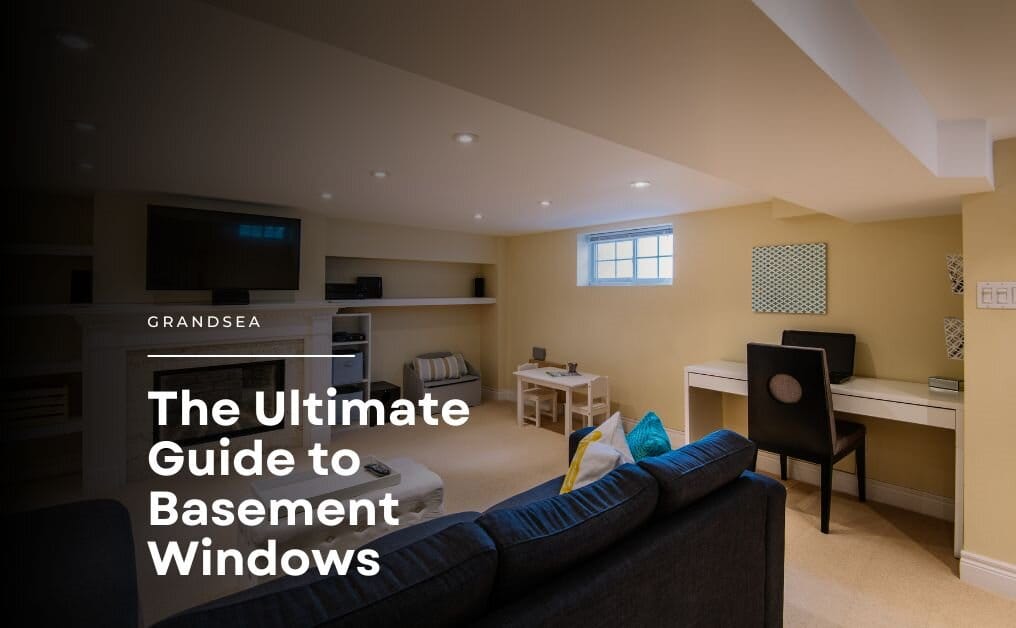
Basement windows play a vital role in enhancing the functionality, beauty and safety of your basement space. Whether you are renovating your basement into an additional multi-functional living area, a home office or just a storage area, it is essential to know about basement windows. What are basement windows? Basement windows are windows installed in the basement walls. They are usually installed in the upper part, so that the space above the ground can be maximized for lighting and ventilation while ensuring safety. Some basements may have light wells, and windows are installed on the side or top of the light wells to reflect and guide more light into the basement. What to look out for when buying basement windows Consider the functional use of the basement: Living space If the basement is used as a living space such as a bedroom or living room, then the insulation, sound insulation and lighting performance of the windows are very important. Wood or high-quality uPVC windows are good choices. Wood windows have good thermal insulation and a natural and beautiful appearance, which can create a warm living atmosphere; uPVC windows also have good thermal insulation performance and are relatively affordable. They can effectively block external noise while ensuring sufficient natural light entering the room. For living spaces, the way windows are opened is also important. Double-hung windows or casement windows can provide good ventilation and help keep the indoor air fresh. Double-hung windows are also easy to clean, which is a factor to consider for lower basements. Storage space When the basement is mainly used for storage, the focus can be on security and moisture resistance. Aluminum alloy windows have higher strength and can provide better anti-theft performance. At the same time, if these windows are properly treated with moisture-proofing, such as well-sealed window frames and glass, they can effectively prevent external moisture from entering and protect stored items from moisture damage. You can choose top-hung basement windows or fixed windows. Top-hung windows are safer while ensuring a certain amount of ventilation, while fixed windows can be completely sealed, which is more conducive to storing some moisture-sensitive items. Workspace (such as home office) For the basement as a home office, lighting and view are important factors to consider. Large-sized casement windows or floor-to-ceiling basement windows can provide a wider view, reduce the sense of oppression in the basement, and let in plenty of natural light, which is conducive to improving work efficiency. When choosing the type of window, consider windows with low-emissivity (Low-E) glass, which effectively blocks UV rays and reduces fading and damage to indoor furniture and equipment while still allowing good daylight. There are several important pieces of information you can focus on for basement windows before ordering: Material and quality: uPVC is a popular material for basement windows because it is easy to clean, durable, and weather-resistant. When purchasing, make sure the plastic is high-quality so that the window can withstand the stress of the weather. Insulation: Basement windows should be well insulated to prevent heat loss and save energy costs. Make sure the windows have a low U-value. Glazing: Good glazing can provide additional insulation and soundproofing. Choose insulated glass with at least two panes of glass. Fittings: Fittings should be sturdy and operate smoothly to ensure that the window opens and closes comfortably. Also make sure you have good anti-theft security measures. Size and opening mechanism: The size of the window should be adjusted according to the size of the basement and the amount of daylight you want. Choose an opening mechanism that is comfortable to use and allows you to get enough air. Design: Basement windows come in different colors and designs. Choose a window that will match the exterior of your home in harmony. Which window material is best for your basement? uPVC windows have many positive material properties. They have good thermal insulation properties, are easy to clean, are durable and, thanks to a high-quality film coating, are available in a wide range of colours and wood finishes. This is why uPVC windows are particularly commonly used in inhabited basements. For added security against theft, you can also secure them with safety glass, security fittings, lockable window handles and window grilles. Aluminium windows have an advantage over uPVC basement windows. Aluminium windows are extremely stable, strong, durable, low-maintenance and burglar-proof. Whether the investment in your basement is worth it depends on whether you use it as a purely utility or living space. Fortunately, Grandsea uses a multi-chamber aluminium profile to increase the thermal insulation properties of its window frames. Thanks to this innovative manufacturing process, aluminium basement windows are not inferior to other materials in terms of energy efficiency. You can also buy aluminum clad wood windows from window and door manufacturers, where the insulation properties are also significantly improved by combining stable aluminium with wood. Basement Window Costs The cost of purchasing basement windows mainly involves the purchase and installation costs, and of course, the cost of removing the windows if you are replacing old windows. Let’s talk about the purchase cost of the windows themselves Window types: uPVC basement windows are usually the most affordable option, ranging from $100 to $300 per window, depending on size and features. Aluminum windows cost between $200 and $500 and are durable. Wooden windows are more expensive, usually $300 to $800 or more, but have a warm and natural appearance. The cost of installing basement windows: If you hire a professional, installation costs may increase by $100 to $300 per window. DIY installation can save you money, but requires the right tools and skills. Before deciding, you can compare the installation materials and costs provided by several local installers. Additional costs: Don’t forget insulation, sealants, and decorative materials. Depending on the quality and quantity, these costs can add $50 to $150 per window. This portion of the cost may be double-counted by the window and door installation company, so be careful to differentiate! Properly measure the
best guide to standard window sizes

在建造新房或计划更换窗户时,标准窗户尺寸是做出经济实惠选择的关键因素。它们体现了房屋的特色,提升了房屋的吸引力,并影响着每个房间的氛围。 在本指南中,Grandsea 将向您介绍最常见的窗户尺寸,并分享有用的技巧,让您能够无缝地选择完美的窗户和门。 标准窗户尺寸是多少? 平开窗或铰链窗:这些窗户是经典的铰链式窗户,简洁、优雅。虽然具体尺寸可能有所不同,但您通常会在以下地方找到单层平开窗: 60–70 厘米宽 x 120 厘米高 70 x 140厘米 对于您想要营造氛围并让空气流通的空间来说,它们是完美的选择。 单悬窗和双悬窗尺寸:如果您想要更传统的设计,并希望获得更好的通风效果,双悬窗是一个不错的选择。它们通常也有更广泛的尺寸可供选择。一些标准尺寸包括: 35至47英寸宽 常用尺寸包括 110×150cm、120×130cm 或 120×140cm 它们几乎适用于任何房间——从卧室到起居区。 法式门和法式窗尺寸:想要开阔空间,引入更多光线?法式门和法式窗正是实现这一目标的绝佳选择。它们尤其适合用于露台或阳台。标准尺寸通常如下: 单扇法式门:90 厘米 x 255 厘米 双开法式门:120厘米 x 245厘米 这些给您的家增添了一种精致的感觉和更多的户外感觉。 窗口宽度 就窗户宽度而言,标准窗户的宽度通常在600 毫米到 1200 毫米之间。同样,宽度取决于房间的具体需求以及所需的自然光量。不仅要考虑窗户的尺寸,还要考虑美观度:宽大的窗户可以营造更令人愉悦的美感。 窗口高度 标准窗户高度通常在900 毫米至 1200 毫米之间。最终高度可根据您的设计偏好或当地建筑规范进行调整。请注意,不同窗户品牌可能会提供不同标准尺寸。 影响标准窗口尺寸的其他因素 我应该安装多大尺寸的窗户?您可以在各品牌窗户的产品目录中找到不同开启和关闭类型的窗户。最常见的选择是平开窗、滑动窗和内开内倒窗。平开窗是传统的窗户类型,可以向内或向外开启。而内倒内倒窗的特点是向外开启,铰链位于窗户的上部。这种窗户尤其适用于室外空间有限的区域; 窗户尺寸的选择是规划翻新或新建房屋时最关键的环节之一,因为它直接影响房间的自然采光量。选择隔热隔音效果优异的窗户也同样重要。 一般来说,现代建筑的窗户高度最好为120-140厘米。还要注意的是,在某些地区,法律规定必须至少遵守最低窗户高度,窗框必须距离地面至少1米。 选择窗口大小的提示 隔热隔音: 现代窗户拥有卓越的隔热性能。选择高性能玻璃,例如 Low-E 玻璃,可实现卓越的气候控制和隔音效果。 风格与美感: 确保窗户的尺寸和外观与您家的建筑风格相符。纤细的黑色窗框是现代风格的流行趋势。 当地法规: 请务必检查当地建筑规范,了解任何规定最小窗户尺寸或安装要求的规定。 使用标准窗口尺寸有用吗? 是的,标准窗户尺寸为门窗制造商和安装商提供了便利,制造商可以更高效地生产窗户,安装商可以更快地完成窗户安装。对于消费者来说,这也有明显的好处:无论您选择哪种材料,您都可以在更短的时间内以更低的成本比较不同门窗公司的报价,从而获得理想的门窗。 您还可以联系门窗制造商并要求定制窗户和法式门的尺寸(需付费)。 非标准开口在老房子、高天花板的建筑或阁楼等天花板不规则的特殊空间中很常见。对于这些情况,我们强烈建议您咨询专业人士以获得准确的测量结果。或者,您也可以信赖 Grandsea 门窗公司的专家。我们的团队将耐心提供专业的测量建议——只需点击一下即可联系我们。 为了长期受益,建议选择优质型材。在我们的产品目录中,您可以找到各种尺寸的高强度铝框窗,其中一些在隔热和隔音方面表现出色。 如何测量窗口大小? 无论您是更换窗户还是安装全新窗户,获得正确的尺寸都至关重要。完美贴合的窗户意味着更好的隔热效果、更便捷的安装过程以及更少的未来问题。 别担心——其实比你想象的要简单。这里有一份简单的分步指南,教你如何正确操作。 所需材料:你只需要一把卷尺和一支铅笔(或许还可以加一个记事本)就能完成这个项目。测量前,请务必清理窗户开口,以便清晰地看到所有边缘和框架细节。 步骤 1:测量高度 首先测量窗户的高度。将卷尺垂直放置在窗台上,直至开口顶部(也就是过梁)。保持卷尺笔直,确保其紧贴窗框,以获得最准确的测量结果。记下测量结果。 步骤2:测量宽度 接下来,测量窗框一端到另一端的宽度。从窗框左上角开始,将卷尺垂直拉至窗框内侧右上角。所有位于窗框内部且在侧面可见的窗框部件也应包括在内。完成此步骤后,记下宽度。 为了更精确,请再次测量宽度——这次要穿过窗户开口的中心。窗框会随着时间的推移自然下垂一点,因此第二次测量可以作为交叉检查,以捕捉任何不平整的区域。 步骤3:测量窗扇(如有)如果您要拆除窗扇(或面板),请务必测量它们。测量每个窗扇的高度和宽度,尤其是在有多个窗扇的情况下。不要想当然地认为它们都一样。 现在怎么办? 测量好尺寸后,就可以开始选购了。如果您的尺寸与标准尺寸相近,那么恭喜您,您可以购买现成的替换件。否则,您可以联系门窗供应商,例如 Grandsea,他们可以为您提供完美的定制解决方案。 从一开始就获得正确的测量结果,可以为您节省大量时间、金钱,并避免安装过程中的挫败感。花些时间仔细测量,您就能获得完美契合的安装效果。 窗口尺寸:窗口的最小尺寸是多少? 窗户的尺寸会因房屋的建筑风格和个人喜好而有很大差异,但有一些基本准则可以帮助您做出选择。最终,您的窗户应该能够提供充足的自然光线、良好的空气流通,理想情况下还能提供宜人的视野,同时还能与房间的室内设计相得益彰。窗户的最小尺寸是多少?只需遵循这个简单的经验法则:窗户宽度应不小于房间地板面积的十分之一。 这意味着,对于一个20平方米的房间,窗户玻璃的总面积至少应为2平方米。这确保了房间获得充足的光线和通风,并在需要时可以作为可行的紧急出口。 大多数人在询问窗户高度时都会遵循一个经验法则:窗户高度至少应为天花板高度的十分之一。例如,如果屋顶高度为三米,窗户高度至少应为0.3米。这样,您才能欣赏到宜人的户外景色,并让充足的自然光线进入房间。 一般来说,窗户顶部应位于距天花板高度至少10%的位置。对于3米高的天花板,窗户应至少位于距天花板线0.3米(30厘米)的位置。这样的位置可以提供宜人的视野,并有效地分配自然光线。 除了最小尺寸外,窗户的形状也很重要。传统的平开窗是常见的选择,但我们也可以选择折叠窗、内倒窗或推拉窗。窗户形状的选择取决于我们的品味和建筑的美观度。 关于标准窗口尺寸的结论 窗户的尺寸取决于多种因素,并可能根据您的个人喜好而有所不同。重要的是要考虑房屋的建筑风格、所需的自然采光、通风需求以及周围环境的影响,例如临街的隔音窗户。此外,还要考虑窗户材料的类型,因为它会影响进入房屋的自然光的大小和数量。
single hung vs double hung windows

Single-hung and double-hung windows are the two primary varieties you’ll probably see while purchasing doors and windows. These two window styles are carefully picked, just like many other aspects of home design. Every style has advantages of its own. There are two sashes on a single hung window, but only the bottom one moves. A double hung window, on the other hand, allows both sashes to move up and down. Two common window styles are covered in this guide. Our goal is to assist you in selecting the ideal window for your house. Window structure From the structural characteristics, the single hung window is relatively simple, and only the lower window sash can be pushed and pulled along the bottom slide rail to open. This design is easy to operate and does not require complex hardware accessories. Double hung windows are relatively delicate, and both upper and lower window sashes can be moved. They can be flexibly lifted and lowered through hidden balancing devices. Whether it is pushing up the lower sash or pulling down the upper sash, the ventilation mode can be easily switched. Ventilation effect In terms of ventilation effect, the ventilation volume of single hung windows is relatively limited because the opening area is limited to the lower half. However, due to its moderate ventilation, it is often used in small bedrooms, study rooms or storage rooms. These places usually do not require high-intensity ventilation. Single hung windows can meet daily ventilation needs and avoid discomfort caused by strong winds. For example, in a quiet study, moderate ventilation can keep the air fresh, helping you read and work quietly without disturbing the pages of books. Double-hung windows, with the dual opening of the upper and lower sashes, greatly increase the ventilation area, allowing the air to circulate fully indoors. Living rooms and dining rooms, where people gather and activities are frequent, have become its areas of expertise. During family gatherings, the spacious space needs to quickly dispel the stuffiness and odor of oil smoke. The wide-open ventilation mode of double-hung windows can quickly fill the whole house with fresh air. Window cleaning The difference between the two in terms of cleaning convenience is obvious. Since only the lower sash of a single-hung window can move, if it is installed on a higher floor, it is difficult for the arm to reach a high place when cleaning the outer glass, which increases the difficulty of cleaning. On the other hand, the double-hung window has a design that can be flipped inward, which is its highlight. Standing indoors, you can clean the inner and outer glass in all directions, easily get rid of the trouble of stains, greatly reduce the risk of high-altitude operations, and make cleaning no longer a headache. Window performance Simple weatherstripping is used to seal the window and sash of single-hung windows. The ability of these windows to retain hot air inside is slightly improved. They still lose conditioned air more readily, though. Temperate climates are best suited for single-hung windows. They are also appropriate for indoor areas that require mild cooling and heating. Double-hung windows rely on complex multi-point locking and high-quality sealing strips. The window frame and window sash fit tightly together to build a solid insulation barrier. It can effectively block heat conduction in both severe cold and hot weather. It is the first choice for homes that pursue constant temperature in all seasons, especially for master bedrooms, living rooms and other key spaces in cold North America or hot and humid eastern coastal areas. Cost of double-hung and single-hung windows The price of single-hung windows is roughly US$150-300 per square meter, while the price of double-hung windows is usually more than US$200 per square meter. Price has always been one of the important factors affecting the purchase of doors and windows. Single-hung windows have a cost-effective cost advantage with simple structure and few parts, which is undoubtedly the best choice for limited homeowners. Double-hung windows increase their cost due to their complex structure and high-end hardware configuration, but in the long run, the excellent user experience and excellent energy-saving performance have achieved long-term benefits and are the perfect match for high-end residential and building quality improvement. Single-hung windows and double-hung windows: Which is better? If you focus on ventilation performance, cleaning convenience, energy saving and insulation, and have sufficient budget, double-hung windows may be a better choice; if you are more sensitive to price, have a small space and low ventilation requirements, single-hung windows can also meet your basic needs. When choosing windows first, it is best to consider factors such as window placement space (which will correspond to its main function), budget cost, cleaning and maintenance convenience, and climatic conditions in your area. If you still cannot determine the specific window needs, you can choose to contact us. Our door and window experts will help you make accurate choices and provide different window types, such as casement windows and sliding windows. Grandsea, a top door and window brand from China, will definitely make every window you buy perfectly fit your home environment and enjoy a comfortable life.
