
Best Tips for Personalizing Your Custom Pergola
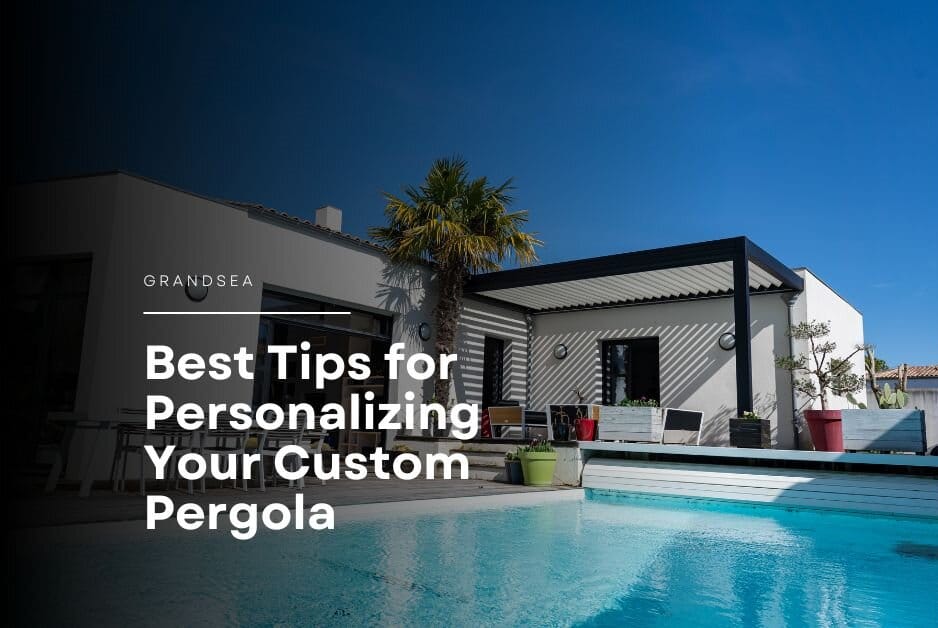
Your outdoor area should feel as special as you are. Customizing pergolas allow you to create a comfortable area that reflects your personal style while enhancing your home’s overall appeal. Whether you prefer a rustic aesthetic or a modern vibe, a custom pergola can transform your backyard into a functional and inviting retreat. A well-designed pergola can also increase your property’s value. Feature Details Home Value Boost Adding a pergola can greatly increase your home’s worth. Outdoor Living Area A pergola gives you a flexible space for eating, relaxing, or hosting events. Better Curb Appeal A pergola makes your home look nicer and stand out to buyers. Investment Return (ROI) ROI for pergolas can be 50% to 80%, based on design, materials, and location. With so many benefits, why not get creative and design a pergola that truly shows who you are? Understanding the Basics of Custom Pergolas What Are Custom Pergolas Custom pergolas are outdoor structures tailored to your specific preferences, offering flexibility in design and size compared to standard models. You can choose the look, size, and materials you want. Whether it’s a small reading spot or a big party area, custom pergolas make your ideas real. Here’s why custom pergolas are special: You can design them to match your style and space. Constructed from durable materials, custom pergolas are built to last and require minimal maintenance. They fit perfectly in your yard, leaving no wasted space. If you want to start designing, Grandsea has more great options to help you build your dream pergola. Benefits of Custom Pergolas Adding a custom pergola makes your outdoor space better. It makes your home look more beautiful and welcoming. It also gives you a useful area for eating, relaxing, or hosting events anytime. Key benefits include: You can enjoy your outdoor space in all seasons. It makes your backyard stylish and cozy. It adds value to your home, which buyers like. A custom pergola isn’t just a structure. It’s a space that shows your style and improves your life. Comparing Custom-Built Pergolas and Pergola Kits When deciding between a custom-built pergola and a prefabricated kit, key considerations include your budget and the desired quality. Custom-built pergolas use better materials, so they last longer. Pergola kits are cheaper but need more care and don’t last as long. Here’s a simple comparison: Aspect Pergola Kits Custom-Built Pergolas Initial Cost Costs less at first Costs more at first Long-Term Expenses Needs more repairs Needs fewer repairs Durability Doesn’t last as long Lasts much longer Maintenance Needs regular care Needs little care If you want something durable and perfect for your space, custom-built pergolas are a smart choice. It is entirely possible to have a pergola that combines durability, style, and long-lasting performance. Budget Considerations for Custom Pergolas Planning a budget for a custom pergola can seem tricky. Breaking it into steps makes it simpler. Whether you want a cozy spot or a big dining area, knowing the costs helps you decide wisely. Think about both upfront and future expenses. Custom-built pergolas cost more at first but last longer. Pergola kits are cheaper but need more care over time. If you want something durable that adds value, a custom-built pergola is a smart choice. Tip: A high-quality aluminum pergola can enhance your home’s value. It’s an investment, not just a cost. Materials affect your budget a lot. Wood looks natural but needs regular care, adding to costs later. Aluminum is strong and easy to maintain, saving money on repairs. Vinyl and fiberglass are also good options with different prices and benefits. Compare materials to find what fits your style and budget. Labor costs are important too. Hiring professionals can take up 30% to 50% of the total cost. Simple designs cost less than detailed ones with extras like screens or louvers. If your budget is tight, start simple and add features later. Don’t forget maintenance costs. Wooden pergolas need sealing and staining often. Aluminum and vinyl need little care. Planning for these costs now avoids surprises later. If you’re unsure, brands like Grandsea offer customizable pergolas for different budgets. Their designs mix style and strength, giving great value for your money. By thinking about materials, labor, design, and upkeep, you can plan a budget that works. With some planning, your dream pergola is closer than you think! Creative Design Ideas for Pergolas Picking the Best Materials Aluminum for Strength and Easy Care Aluminum is an excellent choice for withstanding harsh weather conditions. It is lightweight, rust-resistant, and maintains its shape over time. Taking care of it is simple, with no big repairs needed. Aluminum is also affordable and lasts long, making it a smart choice. Whether it’s rainy or sunny, your aluminum pergola will remain strong and stylish. Wood for a Classic and Natural Style Wood gives your pergola a warm, timeless feel. It’s ideal if you want it to blend with your garden. Cedar and redwood are popular because they resist bugs and rot. But wood needs regular care, like sealing and staining, to stay nice. If you’re okay with some upkeep, a wooden pergola can be a beautiful centerpiece. Playing with Colors and Finishes Matching Pergola Colors to Your Outdoor Look The right pergola color can bring your outdoor space together. Match it with your patio furniture or garden colors for a neat look. For example, white pergolas fit a beachy theme, while brown or beige work well in natural settings. Grandsea offers pergolas in many colors to match your style. Bold Finishes for a Unique Look Want your pergola to pop? Try bold finishes. A black pergola on a light deck looks striking. You can also mix materials, like wood with metal, for extra character. Bold finishes make your pergola stand out and give your space a modern touch. Adding Special Features LED Lights for a Cozy Feel LED lights can change how your pergola feels at night. String lights or built-in LEDs make it cozy for evening hangouts. You can even pick color-changing lights for different moods. Energy-saving exterior pergola lightings keep costs low
Buying or building a pergola?
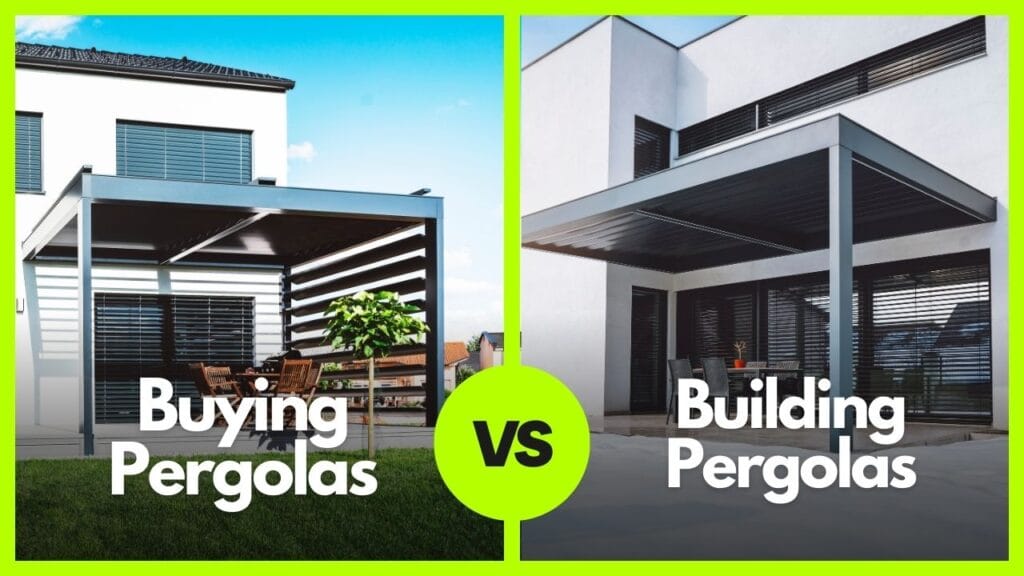
A pergola is a popular outdoor structure that not only provides a covered terrace, but also enhances the aesthetics and functionality of the patio. However, when planning to add a pergola to your outdoor space, you may face a key question: should you build it yourself or just buy it? This article will analyze the advantages and disadvantages of the two options from multiple perspectives, including cost, time, and difficulty of construction, to help you make an informed decision. Is a pergola worth buying or building? Are you considering adding a pergola to your terrace? Whether you buy or build it, it’s a great idea because a pergola is a unique place to relax and a beautiful design element in your garden. Think of it as an outdoor living room where you can relax and socialize with family and friends. When you furnish it with comfortable garden furniture, it will turn your terrace into an extended outdoor living space. This gives you the opportunity to enjoy the garden and fresh air in a comfortable atmosphere. You could even place a barbecue or outdoor stainless steel kitchen under the patio pergola. Imagine it! What would it be like to cook and eat outdoors? It can be installed on your terrace and still blend harmoniously with the overall design of your property. With its open design and decorative elements, it creates a pleasant atmosphere outdoors and is particularly eye-catching – especially if you let your pergola be covered with climbing plants. Building your own pergola is a suitable option if you have the necessary skills and budget. If you lack the time or expertise for DIY projects, purchasing a ready-made pergola is a more efficient choice. If you want to save money and enjoy the satisfaction of building it yourself, consider using a DIY pergola kit. No matter which option you choose, adding a pergola will transform your patio into a stylish and inviting space for relaxation and entertainment. DIY Pergola vs Pergola Kit Cost Comparison DIY Pergola Costs Building a pergola from scratch typically costs between $2,127 and $6,422, with an average of $4,260 for a 100-square-foot structure. The exact cost depends on materials: Aluminum or Vinyl: $10–$30 per square foot (budget-friendly and low-maintenance). Cedar or Pine: $25–$40 per square foot (natural look but higher cost). Redwood: $40–$50 per square foot (premium quality but expensive). Additional factors include tools and potential material waste when cutting lumber to size. Pergola Kit Costs Pergola kits range from $1,000 to $5,000, depending on size, material, and features: Basic Kits: $1,000–$1,500 (pressure-treated pine or vinyl). Mid-Range Kits: $1,500–$2,500 (cedar or redwood with pre-stained finishes). Premium Kits: $2,500–$5,000+ (custom designs with retractable canopies or composite materials). Kits save time by providing pre-cut and pre-drilled materials but may limit customization options. Don’t underestimate the time and effort DIY Pergola Building a pergola from scratch requires significant time for design, material sourcing, and construction. Depending on complexity and skill level, it may take several days or weeks to complete. This option is ideal for those with carpentry skills and the necessary tools. Pergola Kits Kits are designed for quick assembly and can often be completed in a weekend. They come with detailed instructions and require only basic tools. This makes them a convenient option for homeowners with limited time. How much does it cost to build a DIY pergola? A DIY pergola is a pergola that is built or designed on an existing structure. The cost of building materials depends on the size of the pergola you want. For example, a 12 x 12 foot vinyl pergola kit costs about $2,200, while a 10 x 10 kit costs about $1,300. You also don’t need a lot of people to install a DIY pergola – a two-person team is sufficient and will reduce your labor costs. Generally speaking, the entire cost of installing a DIY wooden pergola from scratch can be as high as 2,700 euros. If you hire professionals to build your pergola, it will increase your overall pergola price, but it will save you time. For example, the cost of building a 10-by-10-foot structure itself is about $400, and the cost of materials is about $2,600. Or for a 12-by-12-foot structure, labor costs range from $660 to $880, and the cost of building materials is about $4,400. Hiring professionals during the off-season may help reduce labor costs. How much does a pergola cost? Several factors play an important role in determining the price. This starts with the choice of material and extends to the dimensions and design as well as the type of installation. Whether you opt for a custom solution or a standard model also affects the price. It is therefore crucial that you think in advance about which aspects are particularly important to you and where there may be potential for savings. Materials In terms of materials, a distinction can be made between wood, metal, aluminum or combinations of these. Wooden pergolas are very popular due to their natural appearance, but prices can vary greatly depending on the type of wood and the finish. While you can buy a simple pergola made of pine for a few hundred euros, you will have to pay more for precious wood or high-quality finishes. Metal pergolas are usually more expensive than wooden pergolas, but they are also more durable and stable. Aluminum is a popular choice because it is lightweight and corrosion-resistant. Depending on the manufacturer, quality and complexity of the structure, metal pergolas can cost anywhere from a few hundred to several thousand euros. Size Size does matter – and that applies to pergolas too. The larger the pergola, the more material it requires and the higher the cost. What size should l choose when buying a pergola? Roof and extras The roof of a pergola can be made from a variety of materials, from simple fabric panels to sturdy glass or polycarbonate and smart aluminium profiles. Inexpensive options such as a sun sail only cost
How to find the right pergola
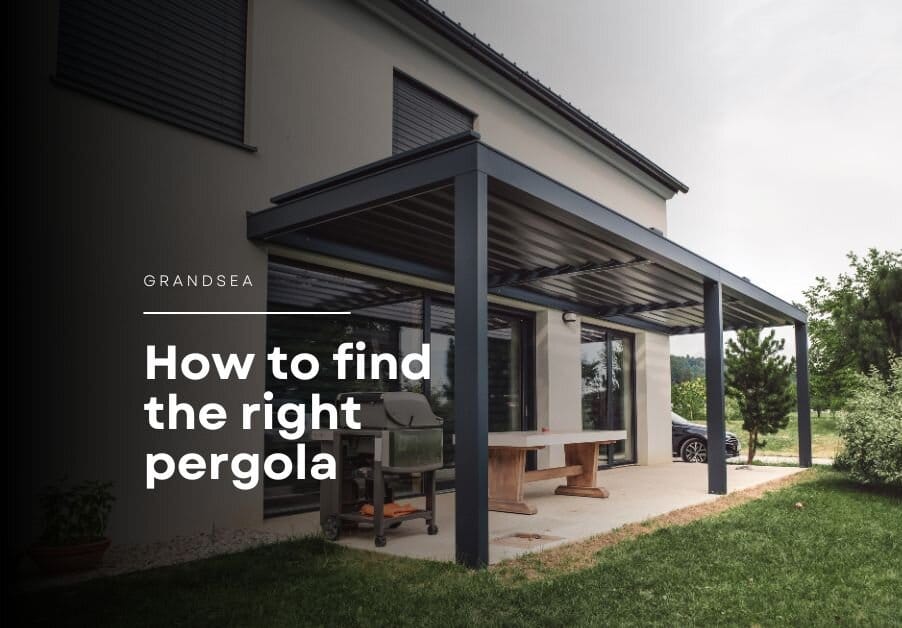
A pergola can provide shade for your outdoor area without making it too dark, creating a relaxed, holiday-like atmosphere. Pergolas are available in various forms, including wood, bioclimatic models with adjustable aluminum louvers, attached or freestanding structures, and those with fixed roofs. This guide will help you choose the right pergola for your needs. What is a pergola? A pergola offers the benefits of both a winter garden and an awning, enhancing your terrace’s elegance and providing an inviting space for relaxation. It delivers pleasant shade and serves as an ideal support for climbing plants in your garden. Contemporary pergolas often feature adjustable roof slats, allowing you to control the amount of sunlight or shade. Many modern designs also incorporate integrated lighting, making them comfortable outdoor spaces suitable for year-round use. Four variants of pergolas Pergolas come in several variants, including detachable (or foldable) models, wall-attached extensions, freestanding structures, and smart designs with adjustable blinds. Detachable pergola A lightweight, detachable pergola is suitable for occasional use. It can be removed at the end of the summer and is ideal for those with limited budgets. Attached pergola It is also known as a wall pergola and is built in such a way that some of its weight is supported by the wall of the house to which it is attached directly. Depending on the size, it may have only a few supporting posts at the front, as the frame is firmly fixed to the wall. Freestanding pergola A freestanding pergola is an excellent way to enhance your landscape. Supported by at least four sturdy posts, this type of pergola is not attached to any walls, offering flexible placement options. It creates a comfortable and inviting area in your garden where you can relax and enjoy the scenery. Bioclimatique pergola with adjustable louvre roof The slats of a bioclimatic pergola can be adjusted manually or automatically to provide optimal comfort, allowing precise control over sunlight and ventilation. ou can easily adjust the alignment of the slats, as well as control lighting, heating, and the opening of side panels. This flexibility ensures year-round usability, tailored to your specific design preferences. With this model, you can regulate the heat in the summer and make the most of the warmth of the sun in the winter. What material should your gazebo be made of? Material Advantages Disadvantages Wood Everyone can afford it. Must be treated every two years to prevent moisture. Must be treated regularly to prevent insect damage. Has a lifespan of 15 years or more. Natural and warm. Timeless. Worought iron Stable and shock-resistant. Must be treated every two years to prevent rust. Very heavy construction. Has a lifespan of 15 years or more. Charming and elegant. Plastic Inexpensive material. Simple and quick to care for. Modern. Lifespan 5 to a maximum of 8 years. Aluminum Optimal heat resistance. Has an unlimited lifespan. Easy to care for. This material is trendy. More expensive than other materials. For a detailed comparison between aluminum and wooden pergolas, consult our comprehensive material guide. Which type of roof to choose? For the structure to merge and balance, the roof is essential. When making your decision, consider how you plan to use the area. Do you need it to improve your living area, provide shade on the terrace, or protect you from the rain? A pergola’s roof is always essential to its desired level of comfort. Roof type Advantages Disadvantages Wood Easy to assemble. Natural and warm. Good UV resistance. Must be treated every two years to prevent mold. Must be treated regularly to prevent insect damage. Lattice roofs are not rainproof. Glass or plexiglass Robust material. Translucent, but color-fast. Susceptible to hail. The sound of raindrops hitting the ground. Plexiglass is easily scratched. Polycarbonate sheet Lightweight but sturdy roof. Good weather resistance. Good UV resistance. Translucent. Prone to scratching. Susceptible to hail. Cotton or polyester fabric Cost-effective. Good sun protection. Short lifespan. light-permeable Not very durable outdoors. Acrylic fabric Good weather resistance. Fairly expensive. Rainproof. Enhanced sun protection. Average lifespan. Microfiber fabric Good weather resistance. Not waterproof. Very good sun protection. More expensive. Some alternatives to a pergola Other structures can replace the pergola: Pavilion: easy and quick to install, and highly effective (there are also so-called cantilevered umbrellas with a mast that deflects sideways). Another advantage of sun umbrellas is their low price. Gazebos: a gazebo or pergola is usually smaller than a pergola, but practical and affordable! It is ideal for a small budget as an additional place for relaxing in the summer or for small garden parties. Sun sail: Easy to install, yet elegant and modern, with excellent UV protection. Pergola: A little more expensive, but it does offer the opportunity to create a comfortable place to relax in the garden. The pergola blends harmoniously with your garden landscape. Awning: Awnings are a practical and powerful alternative that can add brilliance to your home. They require no ground fixing. You can find the difference between them from this article. Does a pergola increase value to the house? Indeed, a pergola raises the value of a house. It improves your outdoor space, which raises the desirability of your property. Potential customers will find it more appealing as a result. When properly designed and constructed, you will undoubtedly receive a decent return on your investment, with an average ROI of 30 to 40 percent. Pergolas also draw purchasers who value a tasteful yet practical outdoor area. Where can I find a trusted pergola manufacturer? If you want to buy a sturdy pergola, you should think about popular companies like Gibus from Italy, as well as Baldwin Pergolas and PERGOLUX that are from the United States. But at the same time, the relatively new brand called Grandsea is popular in the PERGOLUX from the US, Baldwin Pergolas, and Gibus from Italy are a few brands you may already be familiar with. It’s hardly surprising that they succeed in the market given the positive reviews their products
louvered pergolas Cost: Everything You Need to Know
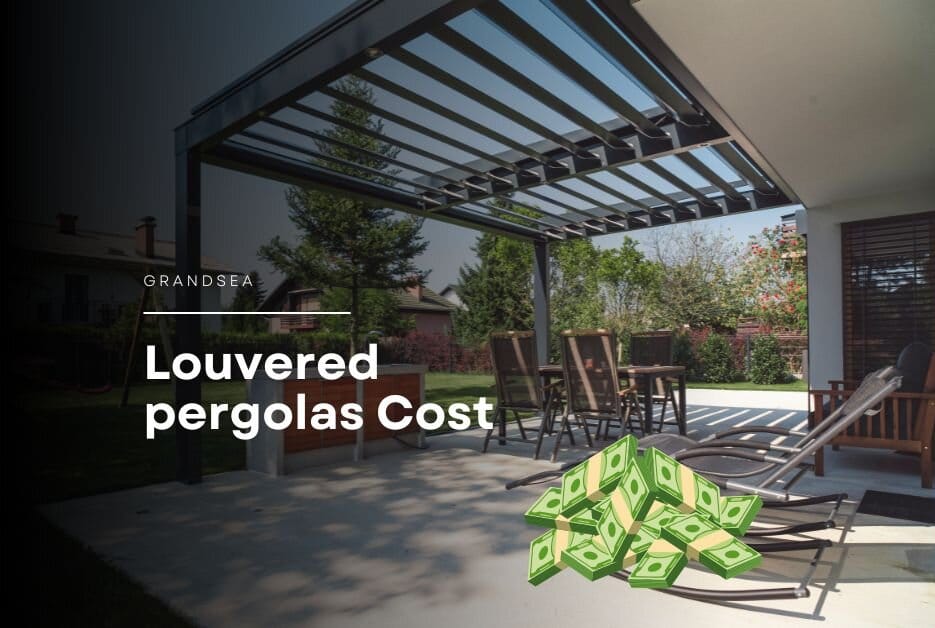
The louvered pergola has become a symbol of modern, sustainable outdoor living. It provides not only shade but also a comfortable area for relaxation. For those seeking high-quality and durable solutions, an aluminum louvered pergola is an excellent choice. Its adjustable roof effectively manages sun, wind, rain, and snow, ensuring superior comfort. Regardless of the weather, you can fully enjoy your time in the garden or on the terrace! However, this convenience comes with a cost. So, how much does a louvered pergola cost? For instance, a popular 12′ x 12′ louvered pergola typically ranges from $5,000 to $10,000. Larger sizes, such as 12′ x 20′ or 16′ x 20′, can cost anywhere from $10,000 to $40,000. The price of a louvered pergola is not fixed. Similar to purchasing a car, costs can vary significantly—from a budget-friendly option (e.g., $15,000) to a premium model (e.g., $80,000)—depending on the brand, configuration, features, and customization requirements. Ultimately, the best pergola is one that suits your specific needs. Whether you are building a new home or enhancing an existing garden and patio, this guide will provide a detailed breakdown of louvered roof system costs. By choosing from modern accessories and high-quality materials, you can create an affordable pergola that provides a comfortable outdoor space for relaxation and enjoyment with family and friends. Factors affecting the cost of a louvered pergola Size Louvered pergolas are typically priced per square foot. Generally, the larger the area, the higher the cost of both materials and labor. This is analogous to buying tiles: larger sizes often have a higher unit price, and installation complexity also increases. However, a larger louvered pergola provides more expansive outdoor living space, capable of covering features like outdoor spas and kitchens. These structures are an impressive asset for hotels, restaurants, and shopping malls. Materials Aluminum, known for its durability and low maintenance, typically costs more, ranging from $70-$150 per square foot. Wood offers aesthetic appeal but requires more maintenance and has a shorter lifespan, placing it in the mid-price range. Budget-friendly materials like vinyl are less expensive but often have limited durability. Configuration and design Manual louvered pergolas are generally more affordable, whereas motorized or smart louvered pergolas typically come at a higher cost. Additional configurations offering multifunctional convenience include smart drainage systems, privacy screens, motorized louvers, and integrated LED lighting. Remember, every feature that adds to outdoor comfort affects the cost of the louvered pergola. Brand Pricing varies significantly between brands. High-end brands such as StruXure may charge upwards of $180 per square foot for their luxury custom pergolas, while emerging brands like Grandsea offer prices starting at just under $100. There is also a price difference between buying a pergola from a local brand or from China. Depending on the manufacturing supply chain and the price-to-quality ratio, some customers prefer to buy high-quality pergolas from China! If you are considering importing from China but are unfamiliar with local pergola manufacturers, we recommend consulting our brand introduction. Installation costs The chosen installation method for a louvered pergola (do-it-yourself or outsourced professional installation) significantly impacts the total cost. DIY installation costs range from $1,000 to $6,000 It saves on labor costs. It allows for flexible scheduling and a degree of customization to suit individual needs.However, it requires some installation or technical experience, and errors may lead to additional expenses. This method is generally suitable for simple designs or smaller pergolas, rather than complex structures. Outsourcing installation provides more customization options but significantly increases labor costs. It is advisable to compare quotes from several installation companies. In addition, the ground anchoring of a freestanding pergola or the method of attaching it to an existing structure will affect the difficulty and cost of installation. How can I save money on a louvered pergola? There are many ways to save money on a louvered pergola. Here are some practical suggestions summarized from over 10,000 cases: While motorized adjustable roofs offer smart convenience, their purchase cost and subsequent maintenance are higher than those of a manual louvered pergola. An aluminum pergola is often more economical than a wooden one. Besides having a lifespan of up to ten years, it can be easily maintained yourself, whereas a wooden pergola requires painting every two to three years to prevent termite damage. Finally, buying a louvered pergola or gazebo kit for DIY assembly is the most labor-saving way to go. Aluminum pergola kits, in particular, offer high durability and a sleek, modern look. They may even come with customizable features, such as hand cranks, remote controls, or custom colors, so you can personalize your outdoor living space without spending a fortune. Even if you are not particularly handy, reputable manufacturers like Grandsea often provide professional technical support and detailed pergola installation manuals, making the process straightforward to follow. What Is the Best Wind-Resistant Pergola for Your Backyard? The wind resistance of a louvered pergola primarily depends on its material and design. Opt for a brand or manufacturer offering a high-strength aluminum frame with a wind resistance of ≥100 mph when closed, and ensure the foundation is reinforced during installation. What is the Lifespan of a Louvered Pergola? The lifespan of a louvered pergola is primarily dependent on its material and regular maintenance. Aluminum louvered pergolas are rust-resistant and low-maintenance, making them suitable for long-term use of over 20 years. Wood louvered pergolas, however, require regular anti-corrosion treatment. Louvered pergolas, especially those with an aluminum frame and an intelligent drainage system, are recommended as this system is crucial for extending their lifespan. How Much Does A Motorized Louvered Pergola Cost? Manual louvered pergola? A 12’x12′ aluminum pergola with motorized louvers, including smart sensors and a drainage system, will typically cost between $10,000 and $30,000. In contrast, a manual louvered pergola ranges from $6,500 to $10,000, making it suitable for those on a budget. What is the best roof for a pergola? A pergola with adjustable metal louvers is arguably the best choice. Aluminum is low-maintenance and durable, and its
Which pergola is better: a louvre roof or a retractable roof?
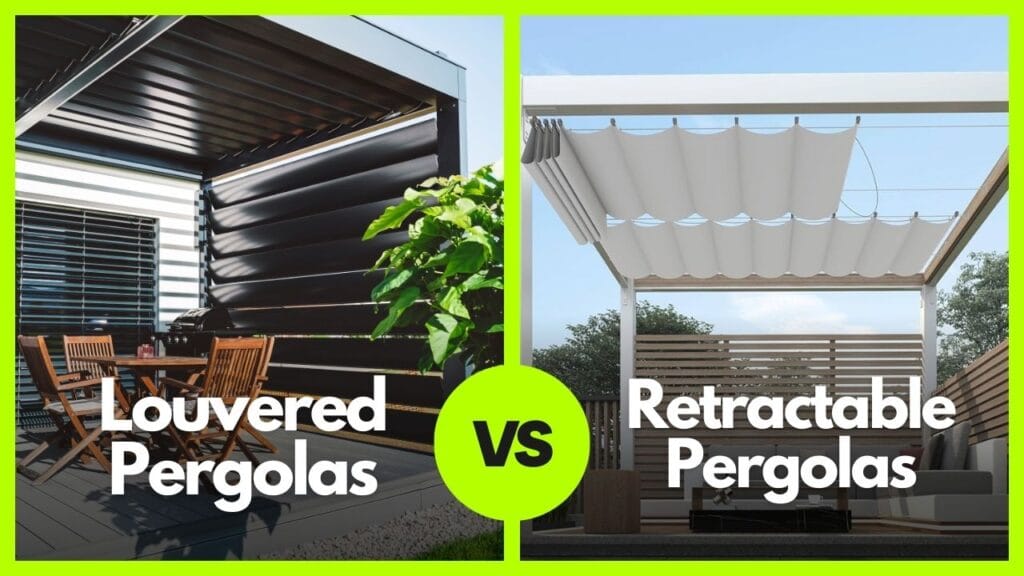
Selecting the right outdoor structure is a crucial decision when designing your garden or backyard. Both louvered pergolas and retractable pergolas offer distinct advantages. A louvered pergola provides year-round protection from rain and wind, along with adjustable light control, creating an ideal space for relaxation. Meanwhile, a retractable pergola, especially one with a sunsail, is renowned for its sleek design and effective sun-shading capabilities. This article will explore the major differences between these two styles of freestanding pergolas, helping you determine which is best suited to your lifestyle and needs. What’s louvered pergola? A louvered pergola features an adjustable roof system composed of panels or slats. These louvers are typically constructed from high-quality aluminum or steel; however, slats made of plastic or wood are also common. Louvered pergolas are often referred to as ‘bioclimatic pergolas‘ due to their movable slats, which allow for dynamic control over the environment. Adjusting louvered pergolas ensures optimal airflow, providing excellent ventilation. In contrast, with a rigid, fixed roof system, summer temperatures can quickly rise to an unbearable level, making the space uncomfortable for relaxation or sleep. What is a retractable pergola canopy? A retractable pergola canopy is typically defined as a protective textile roof designed primarily for sun protection. Unlike louvered systems, this variant uses a fabric structure. While often made of canvas, polyester is also a popular material. These ‘sails’ are attached and stretched at various points to create a shaded area. Therefore, a pergola with a retractable canopy is a structure featuring a textile roof that can be flexibly opened and closed, often by means of straps or other mechanisms. Comparison of the two pergola roofs: slats and sun sails Both types of pergolas offer shade and sun protection, creating a covered outdoor area that blends aesthetic design with functional quality. The main differences are outlined below: Louvered pergola Retractable pergola louvres made of aluminium or steel roof canvas made of polyester with PU coating posts made of steel or aluminium steel columns crank-operated adjustable louvers adjustable sail with tie straps year-round sun protection temporary, seasonal sun protection integrated drainage system included includes polycarbonate panels for protection against dust and rain robust aluminium louvers in trendy pearl grey decorative sail in champagne or stone available with basic or deluxe functions generally an affordable pergola more expensive cheaper to buy Grandsea louvered pergolas can be found in different dimensions: 10′ x 10′ , 10’x 12′ , 12’x 20′ and 10’x 16′ , they are the ideal addition for any backyard! Features of aluminum louvered pergolas A key characteristic of louvered pergolas is their versatility. Similar to pergolas with awnings, louvered pergolas are often installed as freestanding structures in gardens, but they are particularly well-suited as balcony or terrace roofs. This is primarily because their aluminum or steel slats make them suitable for year-round use. Specifically, a louvered terrace roof can be individually adjusted to control the amount of sunlight and provide protection from various weather conditions. Our slats offer a maximum opening angle of around 135 degrees (comparable to luxury pergolas), allowing you to precisely align them with the sun’s position. For shade, you can easily close the steel or aluminum slats using a crank. When closed, your terrace roof also provides privacy from upstairs neighbors. Furthermore, each of our louvered pergolas is equipped with an integrated drainage system, rendering it fully waterproof and highly effective against rain. Rainwater drains through the slats into an internal gutter and then into the posts. Thanks to this efficient design, no rain will drip from the slats onto your garden furniture, ensuring it remains dry. You can enjoy your time in the garden or on the terrace, regardless of the weather conditions. Features of Retractable Pergolas A pergola with sun sails offers significant appeal and flexibility. These sun sails are available in a wide variety of colors and materials, ensuring they can be tailored to individual tastes. The optimal choice is a PU-coated sun sail, which provides 50+ UV-protection, making it ideal for a hot summer day. Similar to louvered roofs, the retractable pergola’s awning can be adjusted. Depending on the time of day and the sun’s position, you can easily determine and achieve the ideal shade. The awning is lightweight and easy to install or attach to the pergola. Conclusion Freestanding pergolas are an excellent addition to gardens and offer superior sun protection. However, if your goal is year-round usability as a roof for your garden or terrace, we recommend opting for a louvered roof. Aluminum louvered roofing provides optimal protection against rain and wind, effectively controls sunlight, and offers privacy from prying eyes. It is important to note, however, that a louvered pergola is generally costlier than a pergola equipped with a sun sail. If your budget is limited, then fabric roofing is a viable option. However, be aware that this is not a year-round solution; while it may not offer complete all-weather protection, it can provide an effective and durable UV shield during the summer months. You may enjoy these related articles: Top 10 best pergola manufacturers louvered pergolas Cost: Everything You Need to Know How to install an aluminum pergola? Pergola VS Gazebo vs Parasol: Which is better? Aluminum or Wood Pergolas – Which One Fits Your Needs Buying or building a pergola? How to Choose the Best Louvered Pergola for Your Backyard How to find the right pergola? Best Tips for Personalizing Your Custom Pergola How should I design my pergola? What size should I choose when buying a pergola?
How should I design my pergola?

Pergolas serve many purposes, but they all share one common feature: providing a comfortable, sheltered space where you can enjoy the outdoors on your terrace regardless of the weather conditions. Choose the right location Pergolas are primarily installed as terrace roofs, providing much-needed shade. If positioned to shade your home’s entrance, they can also effectively reduce interior overheating. With protection from intense sun and sudden thunderstorms, your terrace becomes an ideal spot for weekend breakfasts or afternoon tea. An aluminum pergola can be installed anywhere in the garden. Louvered pergolas are particularly suitable for summer barbecues and can be customized to complement the style of your garden house, making them an excellent choice for an outdoor summer kitchen. A barbecue party with friends and family can continue uninterrupted, even during a thunderstorm. Regardless of the weather, covering your garden terrace is essential to enjoy your meals in peace and comfort. A high-quality aluminum pergola from Grandsea provides excellent protection against storms and rain. If you have already decided where the pergola should be located and how you want to use it, it is now time to choose the ideal size. Structure and dimensions The dimensions of your pergola depend on the size of the area to be covered, including space needed for tools, bicycles, toys, and furniture. Grandsea offers custom pergolas designed to your specifications to meet the needs of you and your family. Our practical construction system provides a full range of standard sizes, with the option for bespoke designs when required. All pergolas are built on a durable metal support structure, with roofs mounted securely and edges elegantly finished with balustrades. This construction method not only enables rapid and cost-effective assembly but also ensures high durability and long service life, as our aluminum pergolas are made from premium, certified metal materials. Practical and beautiful Constructed entirely from sturdy, high-quality aluminum, the pergola is highly durable and resistant to storms. Another advantage is its minimal maintenance requirement; even after years of use, it does not need painting or special treatments. If it becomes dirty, simply cleaning it with a pressure washer is sufficient. Grandsea offers two pergola styles—modern and classic—both combining excellent design with great value. Each pergola can be fully customized in terms of size, fittings, and color, allowing you to perfectly match it to your surroundings. Our pergolas are available in a variety of colors, including white, brown, anthracite, and aluminum finishes. For an additional fee, you may select a custom color from the RAL color scale. Roof coverings are also customizable, with options such as adjustable louvers or tempered glass. Easy to use Whether you seek luxury or straightforward functionality, Grandsea offers high-quality pergolas and pergola kits at reasonable prices. Our experienced professionals provide comprehensive guidance throughout the installation process. You will appreciate the stability, durability, long service life, and low-maintenance nature of our aluminum pergolas, which require no additional treatment even after years of use. Browse our website carefully, where you will find all the necessary information – the optimum dimensions, design options and installation methods. If you are unable to make a decision or need advice, please feel free to contact us. Our experienced advisors will be happy to help. You may enjoy these related articles: Top 10 best pergola manufacturers louvered pergolas Cost: Everything You Need to Know How to install an aluminum pergola? Pergola VS Gazebo vs Parasol: Which is better? Which pergola is better: a louvre roof or a retractable roof? Aluminum or Wood Pergolas – Which One Fits Your Needs Buying or building a pergola? How to Choose the Best Louvered Pergola for Your Backyard How to find the right pergola? Best Tips for Personalizing Your Custom Pergola What size should I choose when buying a pergola?
How to install an aluminum pergola?
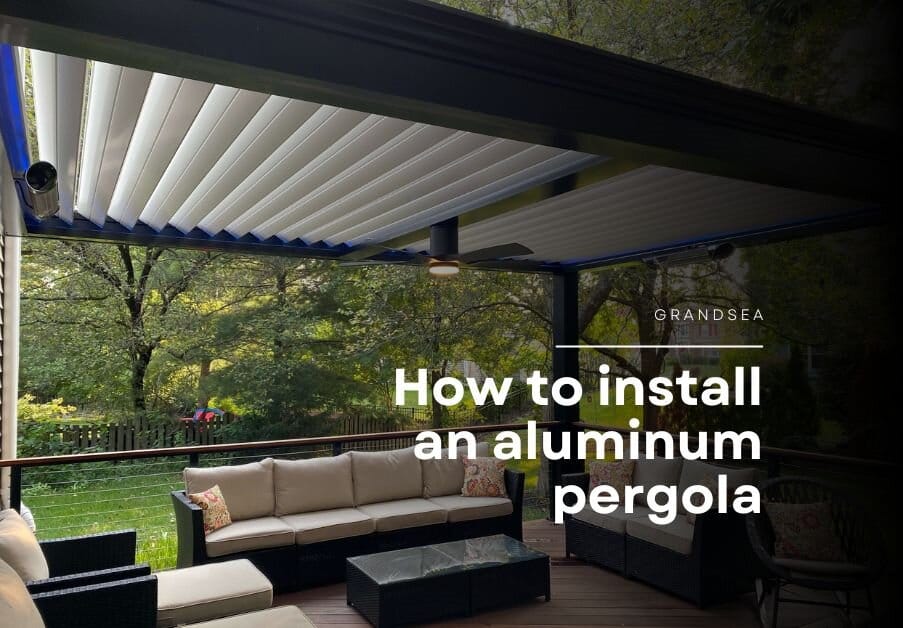
Are you concerned that installing a pergola might be complicated and time-consuming? With our easy-to-follow, step-by-step instructions, you can confidently assemble a DIY pergola on your terrace or in your garden—even without specialist knowledge. This guide explains how to properly understand the assembly instructions and outlines the key steps for building a pergola. Discover how to construct your modern pergola in just a few simple steps—effortlessly and without hassle. Building a Pergola: Two Preparatory Tips Before constructing your pergola as a sun, rain, or privacy barrier, consider these two important tips. First, determine whether you need a building permit for your pergola. For example, some parts of Pennsylvania classify pergolas as ‘accessory structures,’ which may have less stringent permit requirements. Sorting the pergola kit: Begin by unpacking the pergola kit completely, preferably in a spacious area such as a corner of your garden or terrace. Familiarize yourself with all the individual components of the metal pergola kit. Sort the parts immediately by category—screws, dowels, crosspieces, and posts—to avoid wasting valuable time searching for materials during assembly. Ensure all parts listed in the assembly instructions are included. Allocate sufficient time for this process; for example, our freestanding pergola with a slatted roof may arrive in four or more boxes that require sorting and inspection. Building your pergola yourself using a ready-made kit can save you a significant amount of money, especially when you rely on Grandsea’s extensive experience for careful planning. Reading the Pergola Assembly Instructions: Before beginning assembly, familiarize yourself with the PDF instructions. Our instructions primarily consist of clear diagrams with minimal text, enabling you to follow the steps efficiently. Should you have any questions not addressed in the instructions, our professional customer service team is available to assist you. We recommend that you look for the relevant assembly instructions as soon as you receive the pergola. You can erect your pergola in just four steps: Step 1: Pour the foundation To ensure your outdoor pergola stands firmly, build a level and sturdy foundation. Dig holes where the posts will be placed and fill them with concrete. Ensure the holes are spaced correctly—use a tape measure to verify the distances. Step 2: Build the structure Once the foundation is ready, proceed to build the structure. Whether your self-assembly pergola kit is made of aluminum or steel, the assembly steps are the same. First, secure the posts to the foundation using the provided screws. Next, remove the dowels and attach the crosspieces to the posts—using a ladder if necessary. Depending on your pergola’s size, you will attach four or six posts to the beams. After installing all beams, fasten the corners with the appropriate brackets. With these steps completed, your modern garden pergola is assembled. Step 3: Build the pergola roof yourself Our pergolas feature adjustable aluminum louver roofs. Begin by assembling the rail system, including the adjustment mechanism. Then, install the internal gutter and attach the slats using the appropriate screws. Finally, install the crank mechanism to operate the louvers. Step 4: Control work Finally, conduct a thorough inspection. Ensure all connections are secure, tighten any loose screws, and verify that all components are properly installed. Carefully check the stability of your patio pergola before use. You may enjoy these related articles: Top 10 best pergola manufacturers louvered pergolas Cost: Everything You Need to Know Best Tips for Personalizing Your Custom Pergola Pergola VS Gazebo vs Parasol: Which is better? Which pergola is better: a louvre roof or a retractable roof? Aluminum or Wood Pergolas – Which One Fits Your Needs Buying or building a pergola? How to Choose the Best Louvered Pergola for Your Backyard How to find the right pergola? Best Tips for Personalizing Your Custom Pergola How should I design my pergola? What size should I choose when buying a pergola?
What size should I choose when buying a pergola?
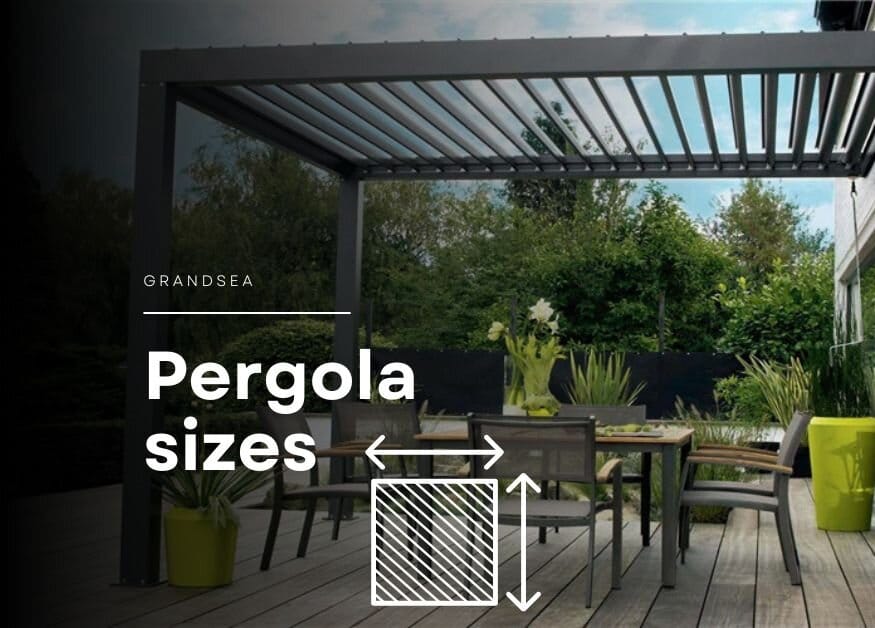
How to choose the right pergola size when you don’t know where to start? It’s simple, focus on your needs and the purpose of purchasing an aluminum pergola. Do you want to attach it to your house to provide shade and prevent overheating? Or cover your pool to protect it from prolonged sun exposure? Perhaps you need an outdoor kitchen for barbecue parties? The right pergola size should always take into account the storage and activity space underneath. Take a piece of paper and sketch everything you want to place under the pergola—such as the sofa, deck chairs, and table with chairs (grid paper is recommended, scale 1:20, where one square of 5 mm represents 10 cm). You should also allow at least 30 cm of clearance to move the chairs safely, and possibly an additional 45 cm to move easily between furniture pieces. This is especially important if the pergola is located near the property boundary. This exercise will help you roughly calculate the size of the pergola you need. The 12′ x 12′ pergola is a popular choice; it offers a balanced size that suits most needs. I want a larger size, but don’t want to spend too much If you want a larger pergola without overspending, the new brand Grandsea offers excellent value for money. Bigger does not necessarily mean more expensive. Contact us today—we are ready to accommodate your needs and configurations, and provide you with the current pricing. To reduce costs, consider purchasing your pergola from China. Thanks to advanced aluminum processing technology and high-quality pergola kits, you can select from a wide range of sizes while saving significantly. We also offer custom pergola designs tailored to your exact requirements. Although custom options are more expensive than standard models, they remain highly competitive compared to other well-known pergola brands. If none of our standard sizes meet your needs, we can provide custom-sized pergolas—the possibilities are nearly endless. Simply call or email us with your requirements, including a sketch or simple drawing. Our team will be happy to assist you in creating your ideal outdoor space. Together, we will find the best solution. Larger Pergolas Made Easy All our modern pergolas are built on a durable support system consisting of four or six high-quality metal posts measuring 10 x 10 cm. The roof is mounted on this structure, with edges elegantly finished alongside the railing. If desired, side walls can be fitted with privacy screens.. Our advanced manufacturing process enables us to offer unique pergolas that are both affordable and easy to assemble. You can rely on their long-lasting quality and durability. Even assembling larger pergolas poses no difficulties, as the process does not require heavy equipment. Our experienced installation team can efficiently complete the construction and provide expert guidance. Finally, the cost of pergolas can vary significantly, similar to how the price of an SUV depends on its color and configuration. We recommend selecting a pergola that fits both your budget and size requirements. You may enjoy these related articles: Top 10 best pergola manufacturers louvered pergolas Cost: Everything You Need to Know How to install an aluminum pergola? Pergola VS Gazebo vs Parasol: Which is better? Which pergola is better: a louvre roof or a retractable roof? Aluminum or Wood Pergolas – Which One Fits Your Needs Buying or building a pergola? How to Choose the Best Louvered Pergola for Your Backyard How to find the right pergola? Best Tips for Personalizing Your Custom Pergola How should I design my pergola? Best Tips for Personalizing Your Custom Pergola
Ultimate Guide to Modern Residential Garage Door 2025
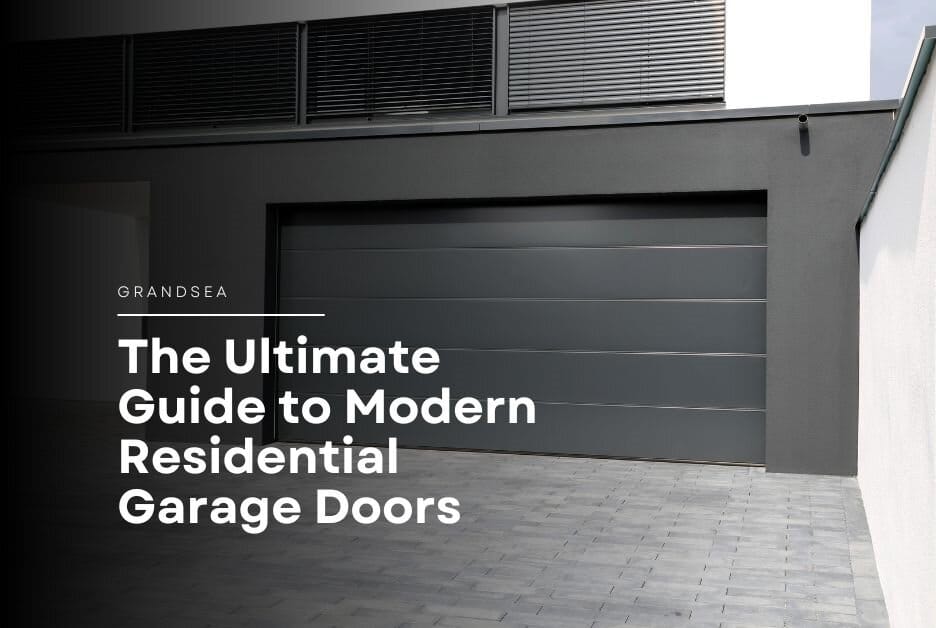
Are you finding it difficult to choose the right garage door? Should you opt for a classic roll-up or a modern sectional garage door? Would you prefer high-end solid wood materials or aluminum, which emphasizes durability and cost-effectiveness? Don’t worry! A garage door is more than just a functional element—it reflects your home’s style, protects your vehicle, and contributes to a smart home lifestyle. With the wide variety of options available, you may feel uncertain about where to begin. This modern residential garage door buying guide will walk you through materials, functions, and styles step by step, helping you select the ideal garage door that meets your needs and enhances your home’s curb appeal. 13 Different Modern Garage Door Designs Insulated Garage Doors These doors provide excellent insulation, maintaining a stable garage temperature in both cold and hot climates. They help lower energy consumption and reduce noise levels, enhancing the garage’s versatility for uses such as a gym or workshop. Glass Garage Doors A thing of beauty that also introduces outdoor light into the garage naturally and without taint of paint. In addition, the fact that they need to be washed regularly can be a plus point if you think about it, since their life span is extended by cleaning and their fine visual qualities make them suitable for individual homeowners. Bifold Garage Door Its flexibility in the use of vertical storage space and very suitable for overhead garages with low space. Practical and beautiful are the two key benefits of the use of materials and styles that can be custom-made, and that’s what makes it a good choice for both limited-space and uncommon-layout garages. Custom Garage Doors Can be tailored to individual needs, whether it is a classic wood design or a modern glass panel, it can perfectly match the style of the house. At the same time, it provides higher durability, insulation and unique functions. Single Garage Door They are elegant because they have fewer structural details and therefore the installation and upkeep expenses are reduced. To keep the house small, there are various designs that can be designed without difficulty. Grandsea can come in any of these forms: custom, standard, traditional, or modern. Aluminum Garage Doors They are light material and long-lasting ones at the same time thanks to their being resistant to rusting and this will definitely benefit you if you live in coastal areas where they are exposed to salt and other environmental factors as they endure changing climate conditions. They are a contemporary and low-maintenance look that alternatives for being a cost-effective yet highly stylish choice. Automatic Garage Door Equipped with infrared sensors and automatic reversing functions, they are easy to operate and have high safety performance. Even if there is a power outage, the switch can be manually controlled, which is very suitable for families pursuing smart life. Exterior Garage Door Garage door is the main focus on these parts, which is prepared to withstand various weather impacts, usually either steel or aluminum equipped with sealing stripes for resisting severe storms. Those are an important factor that will protect cars, their contents, and themselves during storms. Fire-Rated Garage Door This device provides fire resistance which means it can prevent fire from spreading quickly while meeting regulatory building requirements. Additionally, the bulky design of the door ensures that noise reduction and energy savings become a natural part of the setting, thus creating safety and convenience. White Garage Door As a classic neutral color, it can contrast or blend with dark or soft-toned houses. It is a versatile and timeless choice to enhance the overall appearance coordination. Barn Style Garage Doors Unique retro design, mostly made of wood or steel, adds a pastoral style. Ideal for personalized decoration, it can be paired with windows to bring in natural light while increasing the value of the home. Sectional Garage Door Made of hinged horizontal panels, sectional garage doors offer durability, versatility, and appeal at a more affordable price. 2 Car Garage Door A 2 car garage door is a harmonious combination of style, purpose, and modern convenience. Ranging from 16 to 20 feet in width, these double doors effortlessly accommodate two cars. How much does it cost to install a residential garage door? The price of a garage door is determined by several factors, including the door’s dimensions, material type, level of insulation, and desired features or customization. Garage doors for single cars typically start at $550, while double garage doors range from $800 to $1,800. What is the best type of residential garage door? Your ideal garage door should align with your top priorities. To assist your decision, here is a convenient reference guide. When it comes to durability and maintenance, steel doors are top-notch. They are built to lastand require minimal upkeep. Either wood or faux wood composite doors will infuseyour home with a classic and appealing touch. Contemporary residences would benefit from the sleek, minimalist elegance of garage doorsmade with glass or aluminum. What size are residential garage doors? Single-car garage doors are typically available in sizes such as 8’ x 7’, 9’ x 7’, or 10’ x 7’. The most common size for double-car doors is 16’ x 7’. If you have specific needs, widths and heights can be customized up to 8’ or more, which is useful for storing RVs or larger vehicles. What to know before buying a garage door? If you are considering purchasing a replacement garage door, be sure to review its specifications carefully to ensure it meets your expectations. Insulated garage doors are ideal for multi-purpose garages used as gyms, home studios, and more. A cohesive garage door exterior can significantly enhance your home’s curb appeal. Is an insulated garage door worth it? The doors are well-insulated and are a good investment, especially if the garage is connected to your home, or utilized to serve as an exercise room or workshop. Benefits are: Energy efficiency is improved by ensuring constant temperatures. Noise reduction for
The Ultimate Guide to Exterior Doors: Top Brands and Cost-Effective Picks

Your front door is not only the entrance to your home but also the first impression visitors receive. It sets the tone for everything inside. A strong and nice-looking exterior door does more than keep you safe. It also reflects your style and personality. When selecting exterior doors, choosing the right manufacturer is essential. Although many options exist, only a few companies truly stand out. These are the best options for homeowners looking to begin a do-it-yourself makeover or increase the value of their home. This guide introduces leading exterior door manufacturers to help you select a door that enhances your home’s aesthetics and offers lasting durability. 10+ Best Exterior Door Manufacturers The following are some of the best in the industry: Pella Corporation Location: Pella, Iowa Year of establishment: 1925 Number of employees: About 10,000 people Main products: high-end wooden doors, fiberglass doors, steel doors and windows Recommendation reason: For nearly a century, the family-run business Pella has been producing high-quality doors. Whether you like modern fiberglass, traditional wood, or sturdy steel, Pella offers alternatives to suit your style. Pella steers clear of the past. To make daily life easier, they incorporate contemporary technologies like smart home technology and invisible screens. Additionally, any issues are promptly resolved by their excellent customer service. As a result, homeowners give them excellent feedback. In conclusion, Pella is a trustworthy brand for people who appreciate eco-friendliness, quality, and style. Therma-Tru Doors Location: Maumee, Ohio Year of establishment: 1962 Number of employees: 1,001-5,000 people Main products: fiberglass doors, steel doors and decorative glass components Recommendation reason: Among exterior door manufacturers, Therma-Tru is a leader in fiberglass doors. Their exceptional durability, high energy efficiency, and attractive designs make them ideal for homeowners seeking low-maintenance yet premium-looking doors. Besides the durable material mentioned, Therma-Tru offers superlative decorative glass varieties to let users choose the look unique to their taste. Furthermore, the company continuously invests in research and development, introducing advanced fiberglass materials with improved moisture resistance and more efficient insulation designs that are both cost-effective and high-performing. Although priced at the higher end, Therma-Tru remains a leading brand by consistently offering quality assurance and utilizing state-of-the-art technology, despite its relatively premium pricing compared to competitors. Grandsea Location: Guangdong Province, China (mainly exported to the North American market) Year of establishment: 2004, a fast-growing emerging brand Number of employees: 300 people Main products: aluminum windows and doors, security doors and related accessories Recommendation reason: Grandsea is an emerging door and window brand that has quickly established itself in the North American market due to its cost-effective products and modern designs. Its aluminum exterior doors are popular for their lightness, durability and excellent corrosion resistance, while providing a variety of glass embedding options to enhance aesthetics. Grandsea’s security door series emphasizes security and is equipped with advanced locking systems, making it an ideal choice for users who pay attention to home security. ProVia Location: Sugarcreek, Ohio Year of establishment: 1977 Main products: professional-grade exterior doors, windows, vinyl siding and metal roofs Recommendation reason: ProVia prioritizes quality and craftsmanship in their exterior doors, which are both sturdy and secure while offering attractive designs. But the customizing option is what really sets them apart. On their website, you can create the door of your dreams. Select anything, including ornamental glass, color, and material. You will be pleased to learn that all ProVia doors are ENERGY STAR certified if you are concerned about the environment. They are produced with sustainable methods. Jeld-Wen Location: Charlotte, North Carolina Year Founded: 1960 Number of Employees: More than 20,000 (Globally) Main Products: Wood, Aluminum, and Fiberglass Exterior Doors and Windows Recommendation: As one of the largest manufacturers in the door industry, Jeld-Wen is a well-recognized brand. Whether you want to go all out or stay on a tight budget, they have something for everyone. They are particularly well-known for their inventiveness. Wood treated with AuraLast® is resistant against termites, rot, and water damage. This implies that your wooden door will continue to look great for a lot longer. They’re contributing to the globe as well. They can assist you in maintaining an environmentally friendly build because many of their goods are green certified. Masonite International Corporation Location: Mississauga, Ontario, Canada (mainly serving the North American market) Year of establishment: 1925 Number of employees: approximately 12,000 Main products: interior and exterior doors and related components Recommendation: Masonite ships an astounding 120,000 doors every day. They provide services in more than 50 nations worldwide. Their external door variety appeals to a wide range of tastes. Both sleek and contemporary designs as well as conventional and classic ones are available. There are several reasons why Masonite is unique. They distinguish themselves from the competition by placing a high priority on design and quality. Their drive for invention has produced robust materials like distinctive composites and durable fiberglass. These materials lower maintenance requirements while also increasing strength. Selecting Masonite ensures a dependable and eye-catching front door. Andersen Corporation Location: Bayport, Minnesota Year of Establishment: 1903 Number of Employees: Approximately 3,700 Main Products: Wood Windows , Glass exterior Doors Recommendation: In the United States, Andersen Corporation leads the market for exterior doors and wood windows. They’ve been successful in the past. Select Andersen for enduring strength and a timeless appearance. Their wood outside doors provide excellent insulation and are stylish. All year long, they can withstand severe weather conditions. They also offer wood doors with aluminum coatings. The beauty of real wood combined with its durability and ease of maintenance gives you the best of both worlds. Andersen has expertly blended modern utility with classical artistic expression. Their quality is demonstrated by the doors found in opulent residences all around the world. If you’re looking for timeless style, Andersen is the ideal option. Simpson Door Company Location: McCleary, Washington Year of Establishment: Over 100 years of history Number of employees: Small to medium-sized Main products: Custom wood exterior and interior doors Recommendation: Simpson Door Company has a significant market presence
